
Karura Forest
An ancient forest reserve we cannot afford to lose

In the 21st Century, a natural grove of trees, much less a forest, is something very hard to come by. In his never-ending quest to bring the world under control, man has scythed away the forest cover, building settlements or farming on that land instead. Literal laws have had to be created and areas demarcated complete with an electric fence all to protect this precious resource.
Karura Forest, mere miles from the Nairobi CBD is one such reserve. Despite its wealth of flora and fauna, over the years, greedy individuals have tried to grab pieces of the forest. They were met with resistance from dauntless individuals who understood Karura’s value. Today, another attempt at exploiting the forest is underway and now more than ever there is need to remember why it is important to preserve the sanctity of the forest.
Ecological Wealth
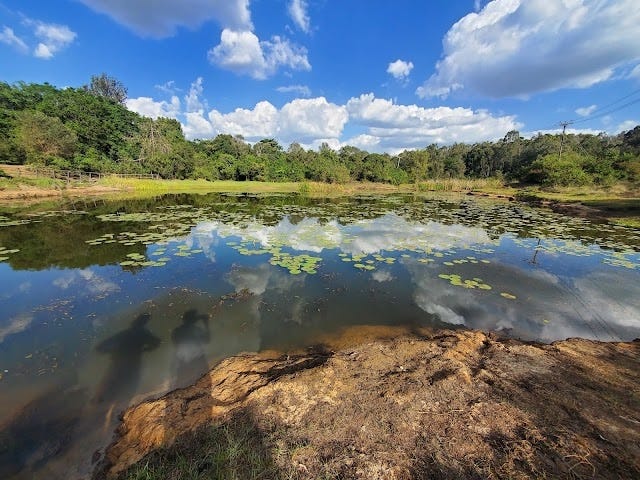
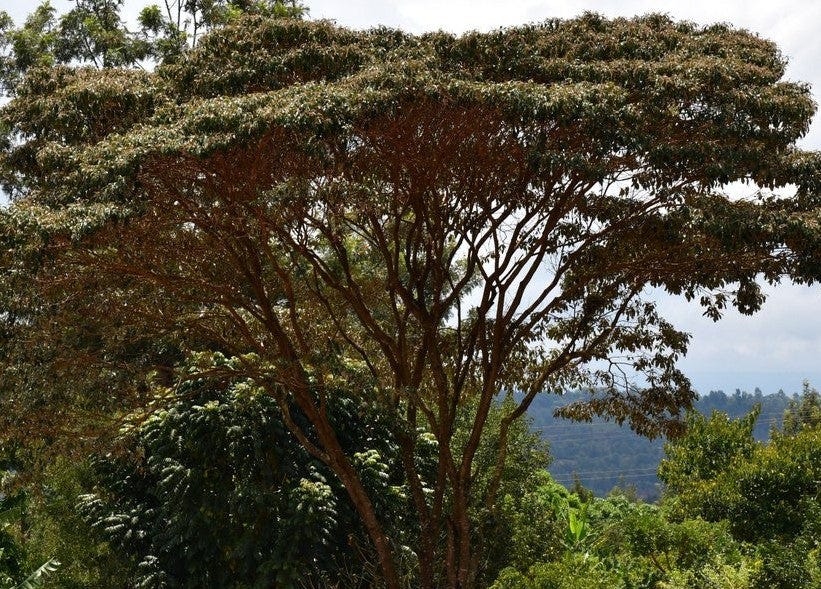
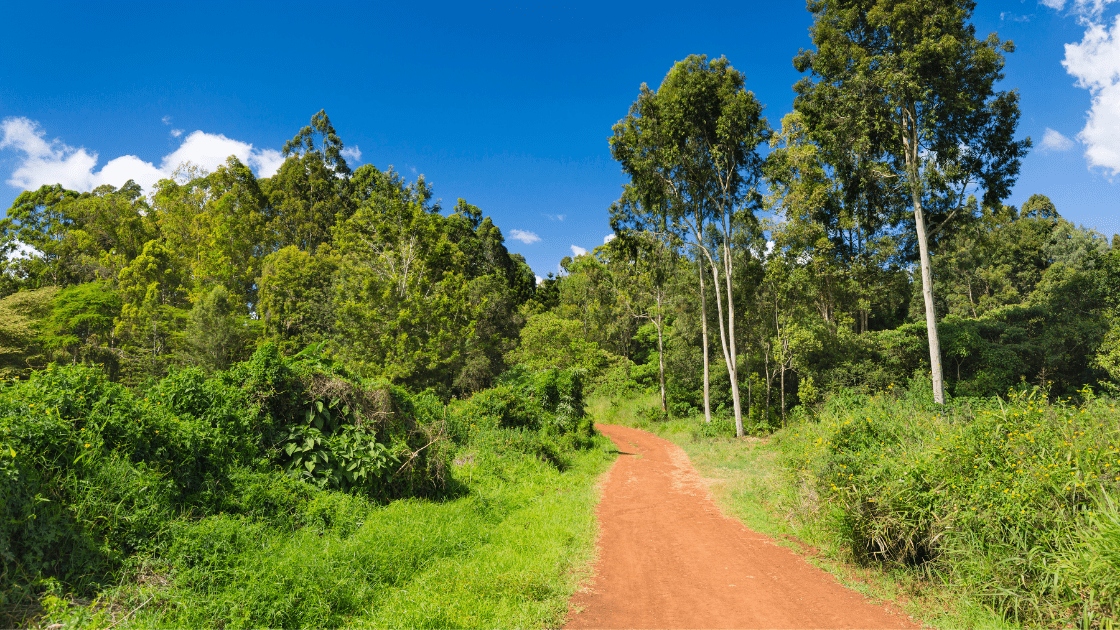
The forest sits on an area of 1 063.0 ha. The western side is also known as Sigiria Forest. Most of it is made up of virgin indigenous groves undisturbed in their own cycle of life. Some of the indigenous trees growing in the forest include African olive, greenheart, croton megalocarpus (muthuru), brachylaena huillensis (mûhûhû) and the uvaridendron anisatum which is endemic to Kenya.
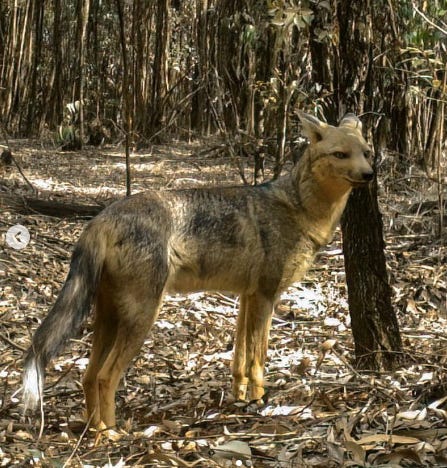
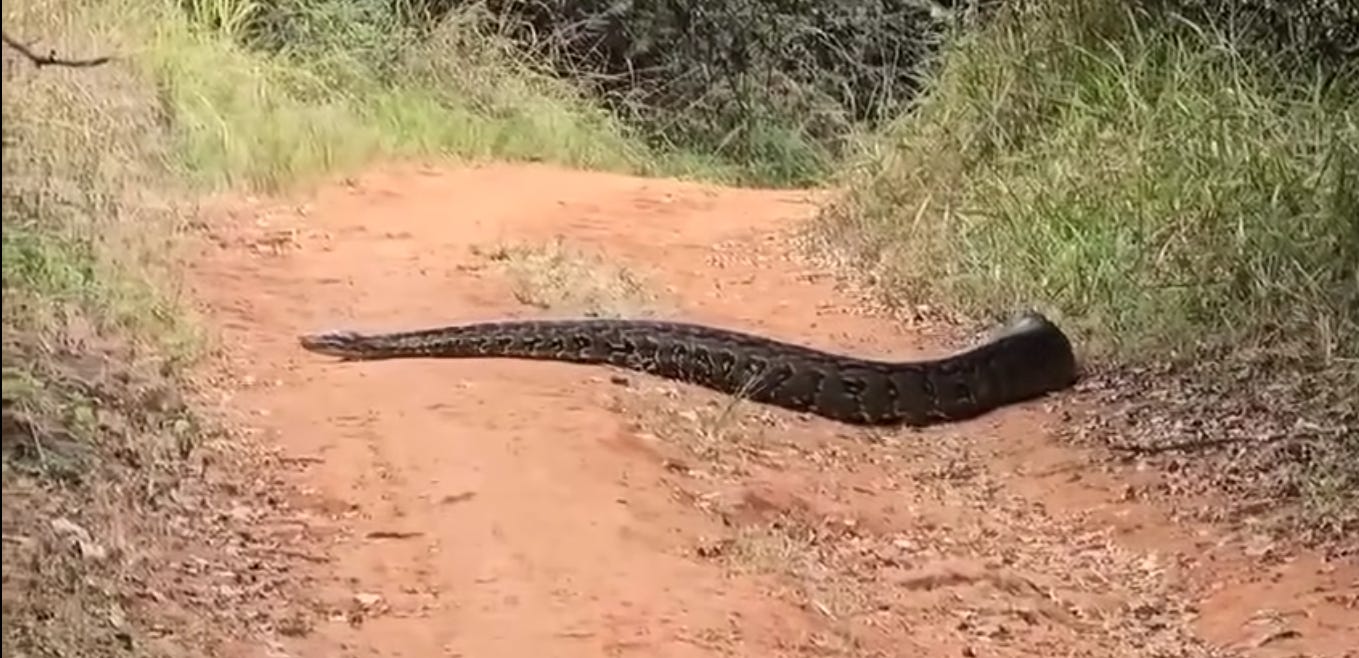
Karura hosts several species of wildlife including bushbuck(that I’ve encountered myself), bushpigs, monkeys, porcupines and duiker. More recently, an African rock python and a side-striped jackal have been spotted in the forest as an ode to the forests recovering wildlife population. Several birds also call the forest their home. Riverine raptors like the Verreaux’s eagle, yellow-billed kite and augur buzzard rule the skies above the canopy.
The area is a vital water catchment zone. 4 rivers pass through the forest wherein they experience a natural ultrafiltration phenomenon and swell in volume. There is the Karura river that the forest itself is named after. Rûi Ruaka enters the forest from the north-east. Thigirie river rises from Wangige running parallel to Karura river. Lastly, Getathuru river skirts around the western edge in Sigiria Forest then flows on to Muthaiga Golf Club. Knickpoints along the rivers form beautiful, thundering waterfalls all open to viewing.
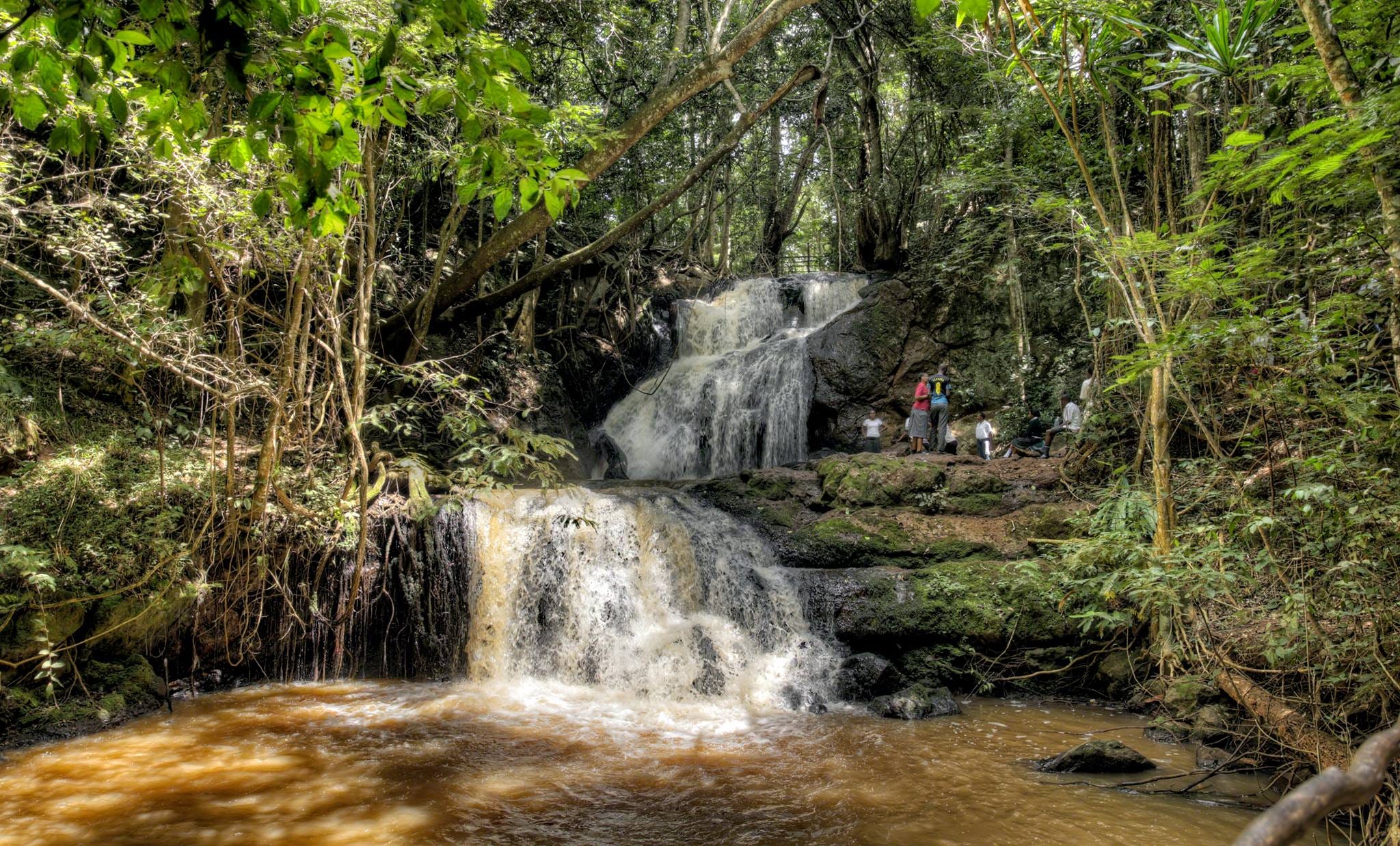
Historical Significance
The area presently known as Karura Forest was once part of a larger forest system stretching from the Kiambu plateau to the escarpment. It was originally inhabited by Ndorobo(Ogiek/Athi) hunters and gatherers. Maasais frequented the forest leading their livestock to water sources within or passing by to access the grassy plains around Muthaiga. As the Kikuyu migrated southwards, forest land in present day Kiambu was bought from the Ndorobo.
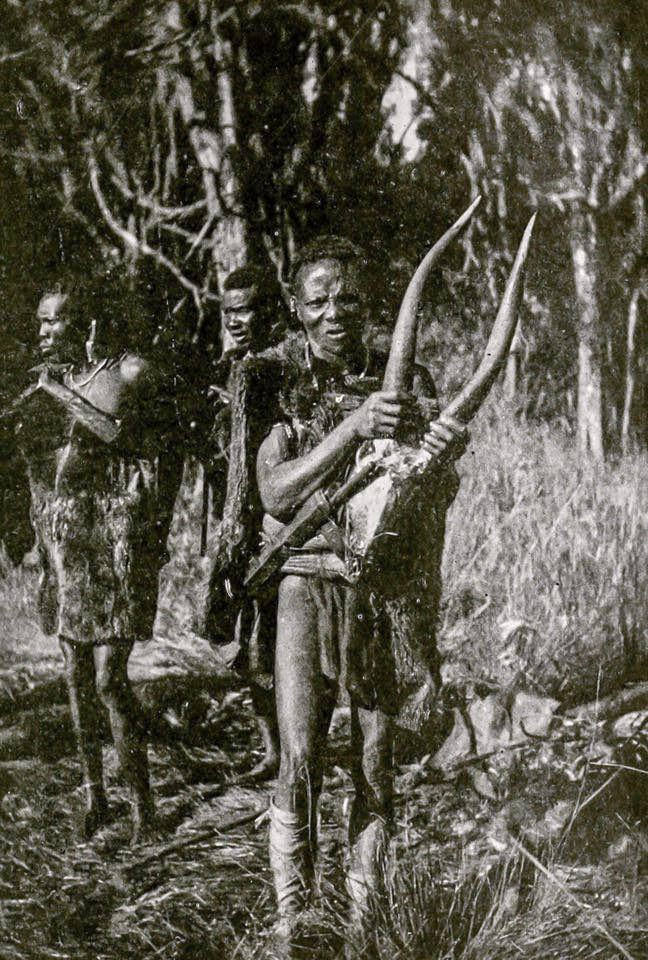
Although large swathes of forests were cleared to pave way for farms, the Kikuyu, knew to preserve forests. In Southern Kikuyu Before 1902, Louis Leakey explains the necessity to preserve a belt of forest cover along the borders and the fortified villages themselves. It not only discouraged intrusion, it also made it easier to conceal pitfall traps and other defense measures laid down by the tribe. This is further confirmed by Ludwig Von Hohnel in The Discovery of Lakes Rudolf and Stephanie:
A little further tramp uphill through the narrow belt of primaeval forest which forms a natural frontier encircling the whole of Kikuyuland, and we found ourselves on its inner edge, looking down upon a charming landscape, with nothing to recall the dense woods with which it had once been covered but here and there a group of trees or a few stumps some three feet high. From the picturesque little groves still left rose columns of smoke, betraying the presence of native settlements, whilst all around them as far as the eye could see, stretched well-cultivated, undulating pasture-lands
Apart from security, Kikuyus also preserved forests as a source of firewood and timber. Additionally, some landowners preserved forests for the next generation. A deathbed curse would secure the compliance on the descendants, ensuring that they would not bring tenants to clear the forest reserves. Karura Forest is an example of such a reserve. In this particular case, four landowners whose farms bordered the forest agreed to have the whole area reserved. Their names as recorded in The Southern Kikuyu Before 1902 are Tharũga, Gaciĩ, Wang’endo, and Hinga.
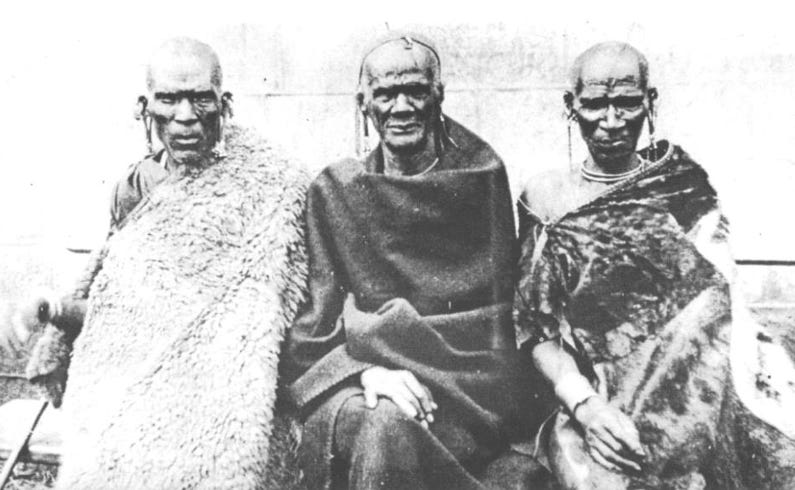
Karura forest was gazetted by the colonial government in 1932. During the struggle for independence, the forest served as a stronghold for a contingent of Maumau soldiers. Natural caves served as a perfect hiding spot deep within the forests. Those caves stand to this day as silent reminders of the blood that was shed for the liberation of this country.
Wangari Maathai’s struggle
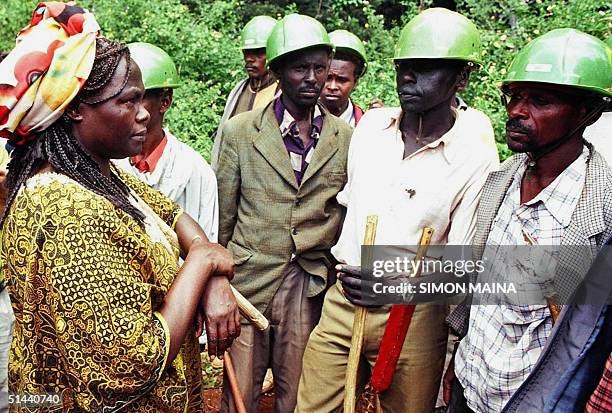
During the Moi administration, the forest faced its biggest threat yet. In 1989, 565 ha of it was secretly degazetted and allocated to 65 private companies to provide housing. According to her autobiography, Unbowed, In 1998 Wangari Maathai caught wind of a housing project that was under construction within the forest. She immediately put up a spirited defense of the forest involving the Greenbelt Movement. Letters of enquiry were sent out to government officeholders including the minister for lands and the attorney general.
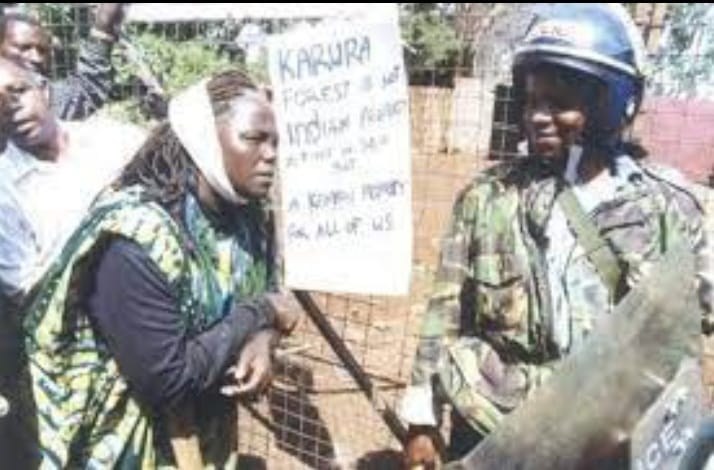
Protests were promptly planned when it was clear there was no forthcoming solution and the construction was still underway. Attempts to halt these protests by the police stating ‘security reasons’ were ignored. Wangari ‘refused to be intimidated’. After all, it was a public forest. As an ode to her relentlessness, upon being denied entry at the gate, they made use of the marshlands to the north along Karura River. Walking with a guide, they waded through the marshes and over log bridges until they found their way into the forest. The same police who had stopped them at the gate were now surprised to find them watering the trees in the Greenbelt nursery in the forest.
Her stand on Karura’s defense would land her in the Nairobi Hospital emergency section, but not before her plight had attracted national and international attention. Of their own volition, University of Nairobi students got involved. They commandeered a school tractor with the intention of knocking down the Karura gate only for it to stall at the moment of truth. Running battles ensued and not even the gates of UNEP nearby could protect the students from the wrath of the police.
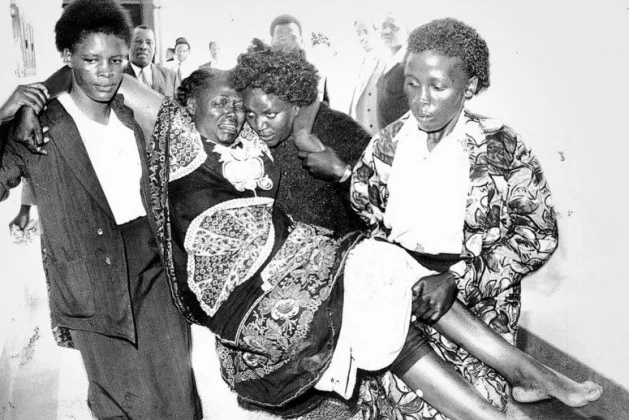
With the indefinite closure of Nairobi University, destruction of property and the direct intervention of the police, Moi realized that Karura could easily be the tinderbox that sets the whole country on fire. In 1999, the investors left Karura, as secretly and silently as they came. You can read all about Wangari Maathai in this 2-part article here or Unbowed, which I highly recommend.

Takeover
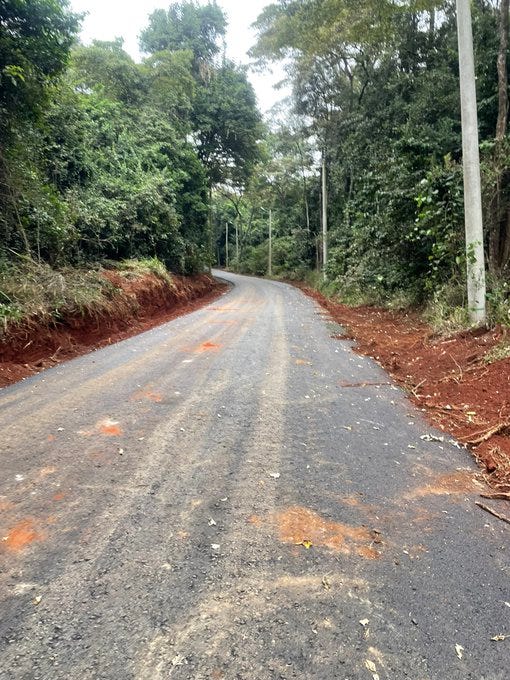
As if it were a loaf of bread or some simple commodity to possess, Karura forest was taken over by the Kenya Forest Service this September. In their wake, a tarmac road connecting staff quarters, the county information center, and senior staff houses is under construction and threateningly, that was just be the beginning. The increase and processing of entry fee through the e-citizen platform proves once and for all what this is all about and hints at who is behind it.
Friends of Karura Community Forest Association(FKFCFA), have been exemplary custodians of this jewel and the improving health of the forest is sufficient testament. This government takeover (Ruto’s government btw), is unnecessary, dangerous and ill-timed. FKFCFA has been in the process of restoring the indigenous trees in sections where exotic trees had been planted. The KFS will indubitably botch this delicate project further jeopardizing Nairobi’s ecosystem.
The value is clear, the threat is defined and the blueprint has already been set. It is upon us to fight tooth and nail for the preservation of this resource. Otherwise, all of Wangari Maathai’s efforts would have been futile in the long run. You can participate by signing this petition against the takeover here. Make sure to follow the proceedings of this fight and when called upon to protest…
Lol, I’m not catching incitement charges off my substack.
Hinges of Time is a Kenyan history collective that is dedicated to teaching History the right way. You can support our mission by getting a paid subscription. This money not only funds research and motivates writing, it also earns you some subscriber privileges. Alternatively, you can donate directly from M-Pesa through this link.
Great Piece! “Karura isn’t ours to hospice, it’s ours (human and non-human) to relationship ->
https://open.substack.com/pub/cmbugua/p/karura-isnt-ours-to-hospice-its-ours?r=1hvx9&utm_medium=ios
i have always looooooved Karura but my love for this forest increased tenfold in my work as a sustainability champion in my previous work place given that i'd be in the forest every week to check on our tree nursery there. it's unfortunate that KFS is under duress by the government 😭their hands are literally bound by this greedy money grabbing regime😔