
Nandi Military Supremacy
The most powerful tribe in the 19th Century

The Nandi tribe are a section of the collective Nilotic agro-pastoralist communities referred to as the Kalenjin. Other subgroups include the Tugen, Keiyo, Marakwet, Kipsigis and Sabaot. As these tribes settled into the Western region of present-day Kenya, they inevitably found themselves in a crucible of war with the neighboring communities. In the 1700s and the 1800s, the Nandi fought their neighboring tribes with varying success until they distinguished themselves as the undisputed victors of the North-Rift Region.
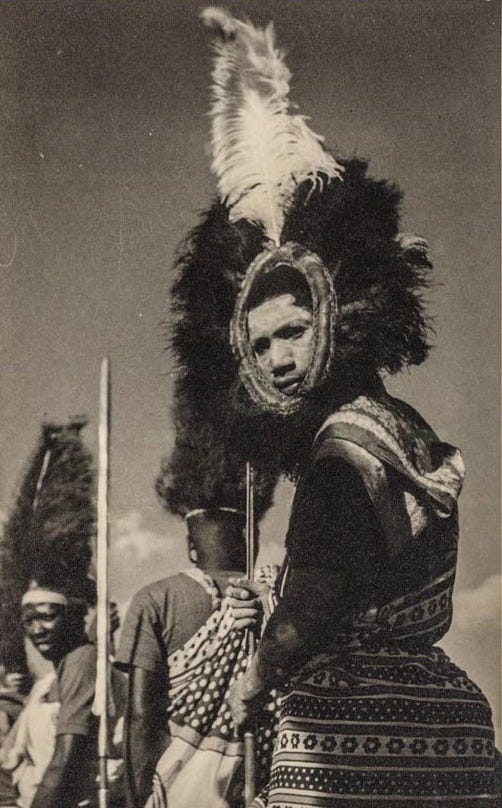
The earliest archenemy of the Nandi was the Luo tribe. In the 1700s, the Nandi were settled in the Kano plains between the western escarpment and Lake Victoria. As the Luo were expanding to this region, conflict with the Nandi was inevitable. The Kisii to the south were also finding their footing at this time and faced the wrath of the Luo. The constant fights between these tribes mostly involved cattle raids and occasional pitched battles.
The Luo legend of Lwanda Magere was born in this period. While there certainly is a mythical aspect to this story, the Luo enjoyed several military victories under the leadership of this great warrior. His death, set the Nandi on the attack with the Luo facing significant losses after battles fought in the Nyando plains and Muhoroni. The Nandi enjoyed friendly terms with their fellow subtribe, the Kipsigis. The two would often unite to wreck havoc on the neighboring tribes sometimes including other Kalenjin communities like the Keiyo and Sabaot.
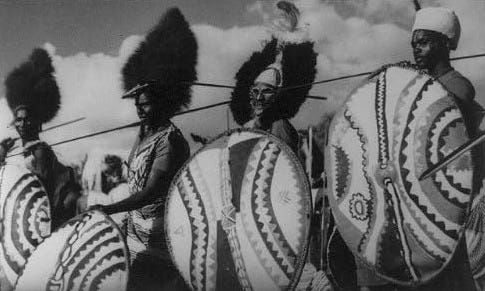
The biggest threat to the Nandi however, was the Maasai. As we discussed in Maasai Civil War, the warlike tribe held sway over virtually all grassland in East Africa. During raiding season, Maasais could not resist the plump healthy stock of the Nandi. When the Maasai were in their prime, the Nandi occasionally suffered losses. However, they still held their own owing to the mastery of their home terrain which they would use to lure the Maasai onto pitched battles where the Nandi were fighting with an advantage.
Some sort of stalemate existed in this conflict until the Nandi emerged victorious. This was as a result of these factors.
Organized Leadership- the Nandi were united behind an Orkoiyot. He was both a spiritual and military leader. The Orkoiyot blessed warriors and gave them instructions that most times secured victory. The Orkoiyot wielded the divine power of prophecy; this made him revered by the whole tribe. This trust in the Orkoiyot could have drastic consequences however, as we shall soon see.
Standing Army- a rigid age-set system ensured a steady supply of warriors. Immediately after initiation, young men would join the army, learning military drills and handling weaponry. Frequent raids on their neighbors kept them battle hardened and skillful while enriching the tribe with loot. Unlike the Maasai who raided mostly during the drier months, the Nandi descended on their enemies whenever they pleased.
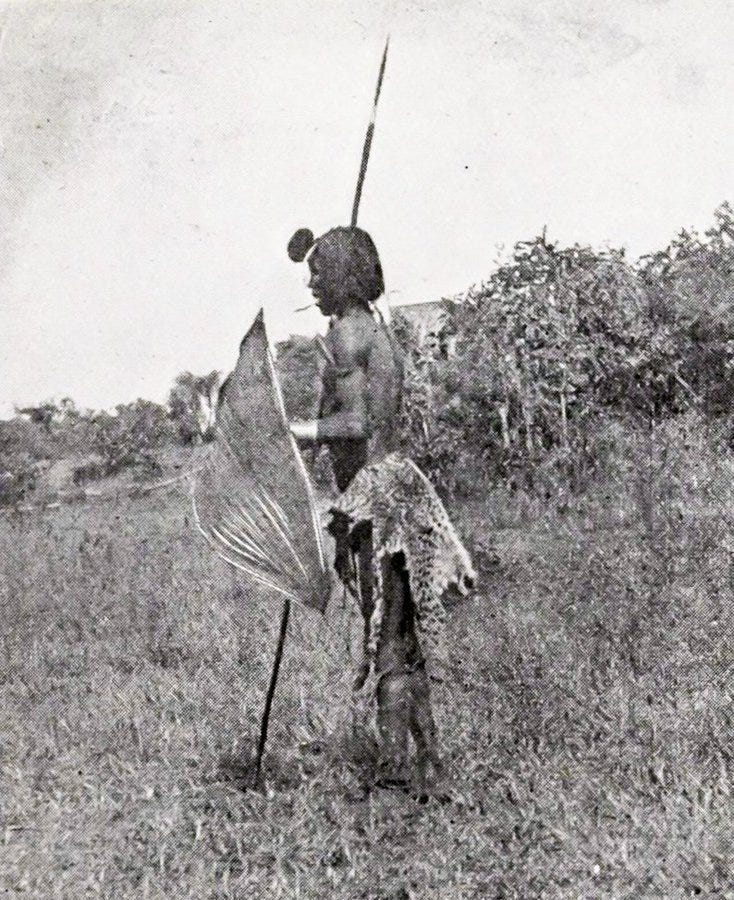
Weaponry- skilled blacksmiths produced iron weapons that were both practical and lethal. A long and shorter spear were used for long range damage, the latter being a relic of their forest dwelling days which came in handy when fighting in such terrain. Poisoned arrows were shot from simple curved bows which fired with accuracy for up to 40 meters. A sword was used in hand to hand melees.
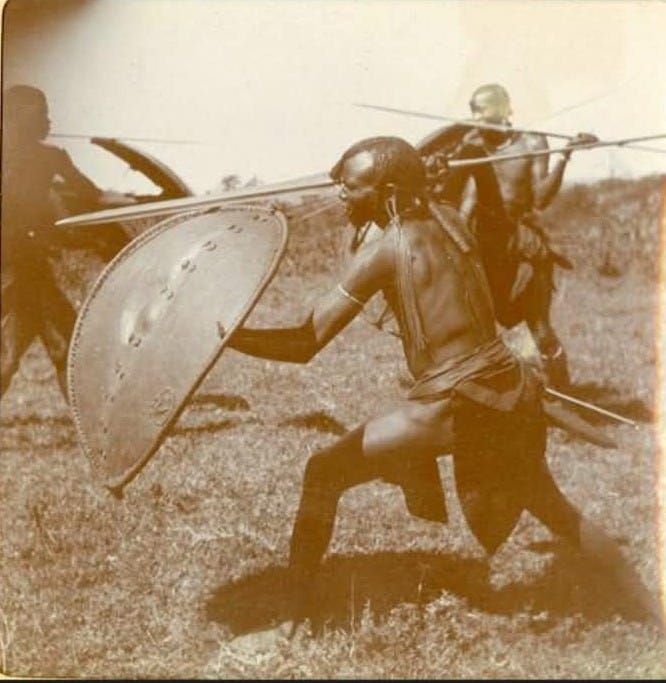
Nandi Warrior. Adaptability- as the military might of the Nandi grew, so too did the variance in their enemies. The Nandi army adapted as was necessary depending on the enemies they were fighting. Arab traders who strayed into Nandi territory were promptly set upon as invaders. Though their guns initially inflicted significant damage, the Nandi learnt to lay prostate on the ground while they were being fired on, then attack while they were reloading. Up until the advent of colonization, the long-distance trade routes did not penetrate Nandi land.
Vigilance- outposts along the borders of Nandi land were manned throughout. Signs of a raid like Maasai scouts or battalions being spotted would be communicated using trumpets. This bought the people enough time to safeguard their cattle and prepare defenses. The element of surprise, which the Maasai relied on for the success of their raids would by cancelled out. By being ready in advance for an imminent raid, the Nandi were now the ones on the attack while the Maasai would be caught unawares. .
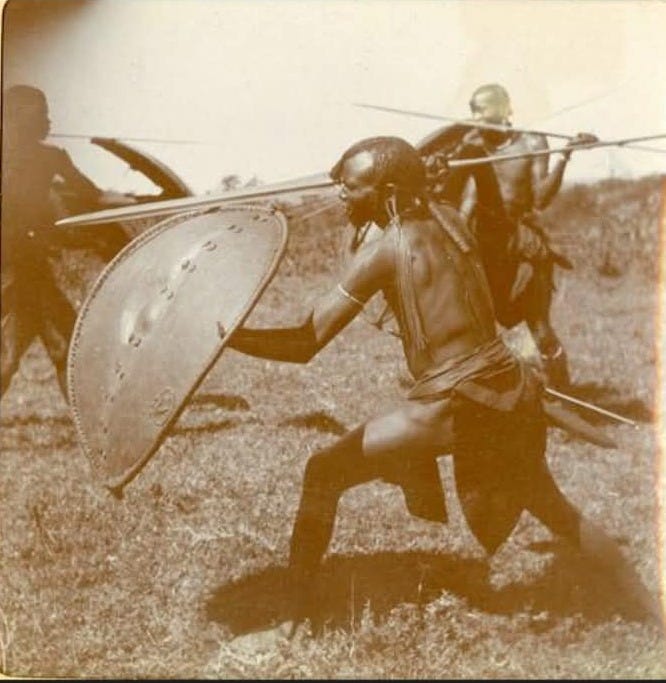
Fight For Uasin Gishu
The conquest of the Uasin Gishu plateau was the final feather on the Nandi cap that cemented their supremacy. As we discussed in Kenya’s Lost Tribes, the plateau was vacant after the vacation of the Sirikwa, a Nilotic tribe. As the Maasai civil wars raged on, remnants of the Kwavi drifted onto the plateau and settled there. So fertile and well watered was the plateau that the subtribe was able to rebuild. Since the plateau shared a frontier with Nandi land, this same Maasai used it as a launchpad to carry out raids against the Nandi. As a result, the Uasin Gishu Maasai expanded northwards well into Nandi territory getting the best pastureland and saltlicks for themselves.
Unfortunately for the Maasai, this success would be short-lived, the disastrous Iloikop Wars of the 1800s caused the routing of the Uasin Gishu and Laikipia Maasai by their Naivasha enemies. Survivors of these wars attempted to reassert their claim to the plateau but they had another thing coming. The Nandi read the writings on the wall and realized this was their chance. Sweeping southwards, the Nandi warriors fought bitterly against the weakened Maasai. The latter made a last stand at Kipkaren Valley but the Nandi summarily defeated them once and for all completing their annihilation.
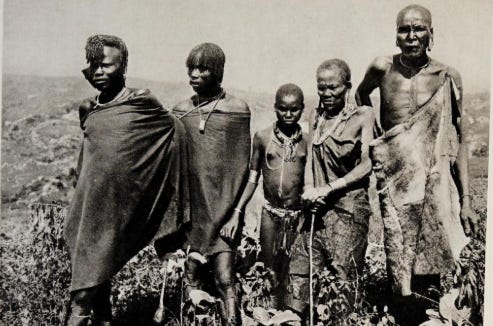
Even with this enemy vanquished, the fight for Uasin Gishu was not yet over. Another Maasai clan was roaming in the Nyando plains off the Nandi escarpment frequently raiding the Kipsigis. The Segelai Maasai were vanquished by a combined force of Nandi and Kipsigis warriors who descended Nandi Hills in a cacophony of war songs. They secured a decisive victory that checked Maasai activity in the Western region forever.
In the wake of the Iloikop wars, the Naivasha Maasai had emerged as the most powerful subtribe. Pushing their lack, under the guidance of their legendary Oloiboni Mbatian, they ascended the Mau escarpment to claim the Uasin Gishu plateau. Bolstered by their victories against other Maasai armies, the Nandi were more than ready to take on this enemy. Neither side committed their full armies at first preferring instead to fight a series of skirmishes. This slowly escalated in the 1880s into fullscale war.
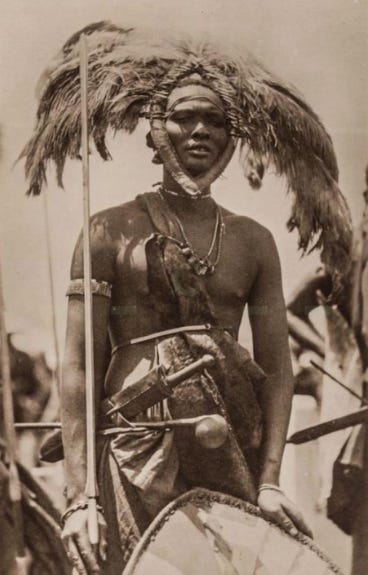
The armies met in a pitched battle at Sawe- the Battle for Uasin Gishu. Orkoiyot Kimnyole handed Mbatian the most devastating defeat of his life here. The Naivasha army was broken and routed. With a hail of spears and projectiles pursuing their retreat, they were chased back to the Rift Valley. The Uasin Gishu plateau was secured and the Naivasha could never sufficiently rebuild their army to make another sally. Orkoiyot Kimnyole was hailed as the Nandi counted their gains from the loot acquired. With their enemies taken care of, new raiding locations were now accessible which the Nandi promptly took advantage of.
Kimnyole Arap Turkat
The great Nandi prophet brought wealth and success to his tribe. As previously mentioned however, the trust that the tribe invested in him could have horrid repercussions. These manifested from around 1888 when things started going awry for the tribe. Already, Kimnyole had started making enemies within as could be expected from his successive success.
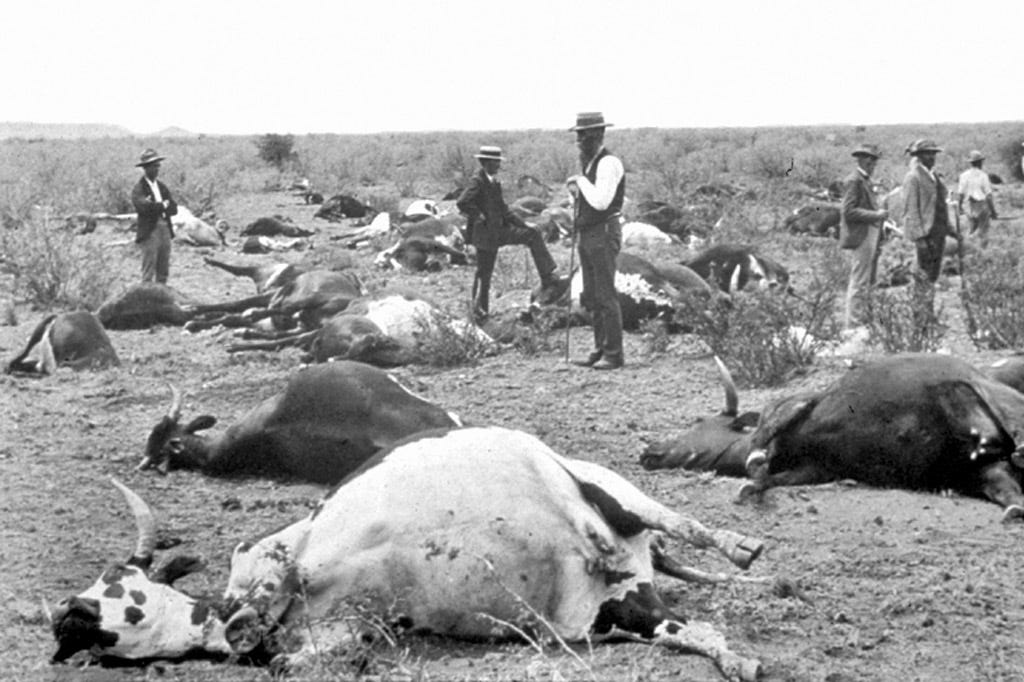
An 1888 raid against the weakened Maasai in the Rift Valley, was successful and herds of cattle were driven back up the Uasin Gishu escarpment which by now was properly settled and cultivated by the Nandi. It soon became apparent however, that the cattle were infected with rinderpest, the stock disease that was wiping out Maasai herds. The disease quickly spread amongst the Nandi cattle greatly impoverishing them.
The Nandi found a way to blame Kimnyole for the plague. He had not warned them not to drive back any cattle, rival Nandi elders used this to discredit him. Further, he had not accepted any cattle from the raid as tribute as he normally would. As a result, his own cattle were still healthy and prudently quarantined from the rest. The sight of his healthy cattle while the others’ died in the masses was enough to turn the tribe against him.
The last straw came in 1900. A combined force of Nandi warriors sanctioned by Kimnyole, marched to raid their neighbors (not clear who exactly they were raiding). The Nandi were cornered and decimated by the opposing warriors. Few Nandi warriors made it back home to tell of the loss they had endured. Again, this was blamed on Kimnyole. Elders argued that either his powers were waning or he was deliberately acting against the Nandi’s best interests. Kimnyole’s prophecies about the imminent arrival of the white man further alienated him. His fate was sealed.
As an ode to his prophetic vision, Orkoiyot Kimnyole not only knew what awaited him, he prepared for it. He had his three wives brew beer for a ceremonial party attended by Kimnyole’s senior advisors and his sons. According to Kalenjin Culture, Sayings, History, Language And Folklore By Edwin Korir, he used this ceremony to select a successor. In a ritual known as terech maiyo, he invited each of his sons to look inside a pot that had been placed in the middle of his house. All of his sons except Koitalel Arap Samoei reported seeing nothing but darkness in the pot. Koitalel saw ‘people who looked like clouds.’
This was consistent with Kimnyole’s prophecies about the coming of the white man and it revealed Koitalel’s gift of prophecy priming him as the obvious successor. Kimnyole also cursed the Nandi. The supremacy they had enjoyed thus far would wane with his death and the blessing of leadership would be taken away from them. Kimnyole warned that none of his children would lead the Nandi again. He had them scattered to the neighboring Kipsigis, Tugen and Keiyo lands.
Finally, Nandi tradition relates that, Kimnyole went up to a big rock in Samiitui. He prayed over it and the rock opened up. Within, Kimnyole hid the tools he used for sorcery. He prayed again and the rock closed up. The significance of this being, the Nandi would never again have a prophetic leader as great as Kimnyole.
A few days later, the Nandi invaded his homestead dragging him out. A council of elders who were by then all aligned against him sentenced him to death. At Samiitui, the same prophet who was once revered and had led them to victory, was now stoned to death. His body was left out to be eaten by hyenas and yet, for several weeks, no hyenas or scavenger birds touched his remains. It wasn’t until there was a savage thunderstorm that his body was struck by lightning. All of these postmortem events really scared the Nandi who realized they had made a grave mistake.
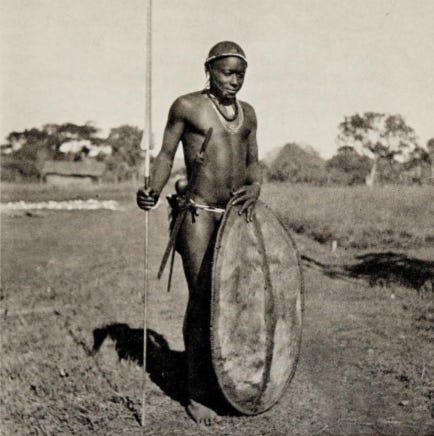
Unsurprisingly, Kimnyole’s death resulted in wrangles among the Nandi as two of his sons contested to success his father. Supportive camps formed around Koitalel Arap Samoei and his half brother, Kipchomber Arap Koileg. Tensions escalated and skirmishes were fought but luckily, they did not descend into fullscale war. Against the wishes of his father, Koitalel took control of the Nandi assuming its leadership while his brother was exiled to Tugen where he became their first Orkoiyot.
Koitalel Arap Samoei is a familiar name in Kenyan History. This Orkoiyot upheld his father’s legacy, leading the Nandi in a bitter resistance against the British. It is a testament to the Nandi’s military supremacy that they were able to hold out against the British for more than a decade. Colonel Richard Meinertzhagen, the evil British soldier who carried out massacres in the name of the Crown lured Koitalel to a trap and executed him at pointblank range.
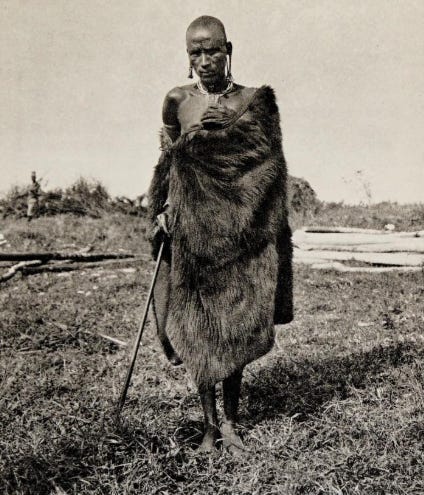
It was a harsh reckoning when Kimnyole’s prophecies which were shunned at first came true as the railway was constructed right through the Nyando Valley.
Hinges of Time is a Kenyan history collective that is dedicated to teaching History the right way. You can support our mission by getting a paid subscription. This money not only funds research and motivates writing, it also earns you some subscriber privileges. Alternatively, you can donate directly from M-Pesa through this link.
I’m sure you used to get As in history 😂
LOVED IT