
The Somali Problem
Marginalization of the Northern Frontier District

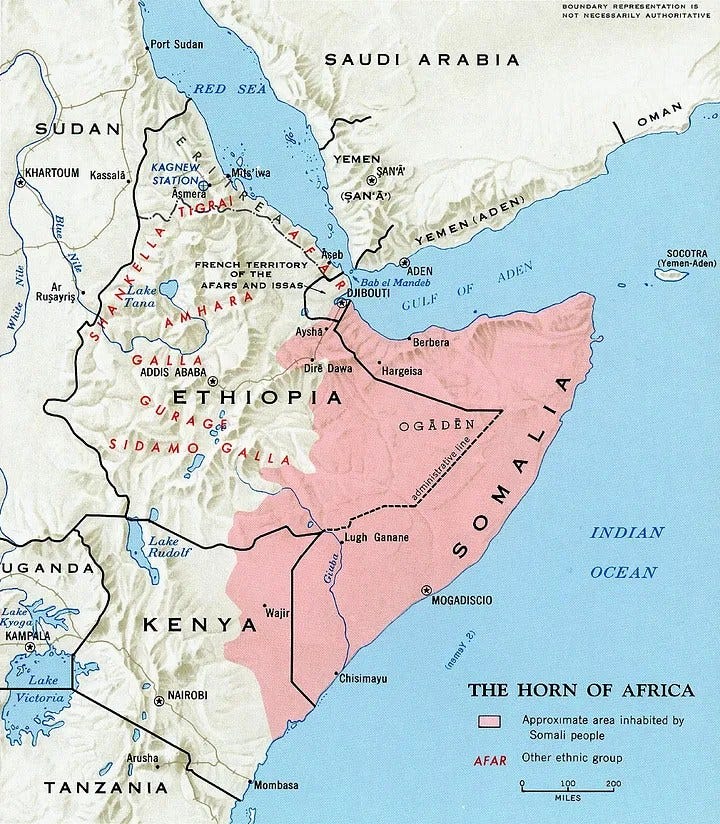
The Somali are a Cushitic tribe that has been occupying the Horn of Africa for centuries. Their population is distributed among 4 countries: Somalia, Ethiopia, Kenya and Djibouti. They occupy the largest landmass in the Kenyan hinterland (approx 22%). So you can imagine my surprise when I made a tweet condemning tribalist comments against them and I spent the rest of the day dodging insults and justification from random tom, dick and harrys from various tribes.
A perceived ‘Somali Invasion’ where many members of the tribe have recently been enjoying increased commercial success in Nairobi has spooked the city’s working class. As if a native tribe isn’t entitled to a slice of the country’s prosperity. I said it; Somalis are Kenyan natives, separated from their brother clans by boundaries imposed on us by European overlords, then persecuted for decades by the same country they owe allegiance. Recent events in a game played at Kasarani Stadium have sparked a surge of hatred against the tribe. While the provocative actions are certainly not justified, i believe its necessary to study history and understand where it all went wrong in regards to the Somali.
The Bevin Plan
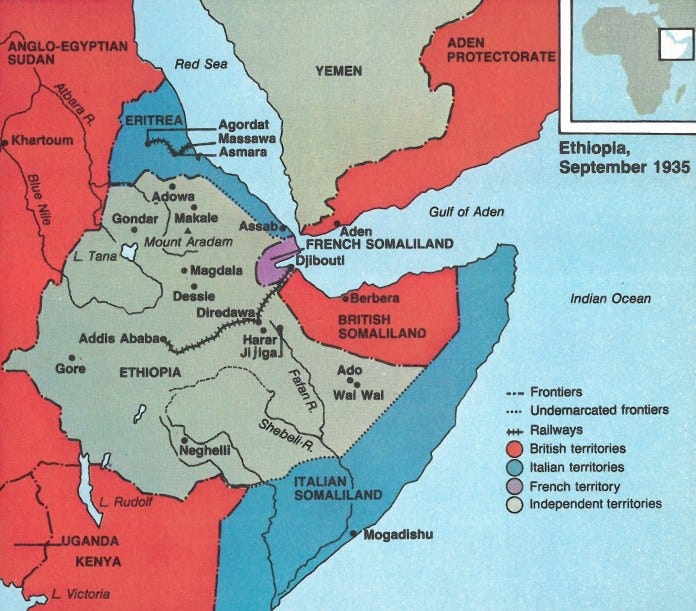
The Somali were colonised together with the rest of the Kenyan tribes and similarly agitated for independence. The Somali Youth League (SYL), formed in 1943 protested for equal rights with the Europeans. They also demanded the unification of the whole Somali tribe across the Horn of Africa. It was divided among three European powers, France, Italy and Britain. The issue seemed dismissible at first, but this became possible when Britain was granted control of Italian Somaliland in the Treaty of Versailles after WW2. Suddenly, Britain actually did have the power to unite Somali-land into one country considering they controlled all of it save for a small portion colonised by the French (Djibouti). It is an idea they actually considered.
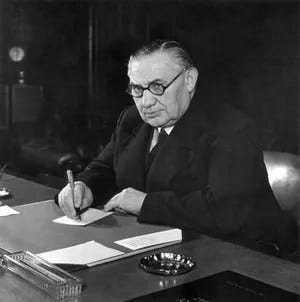
Ernest Bevin, the war secretary, suggested the unification of all East African Somali territories as a single British dominion. The Bevin Plan was never implemented, as there were preexisting territorial boundaries, not to mention that independent Ethiopia would never give up the regions of Ogaden and Haud. Although it was shelved, the Bevin Plan ignited a Somali Nationalism that would eventually take hold 2 decades later. In 1960, the British and formerly Italian Somali territories were unified and granted independence but the Somali region in Kenya remained in her boundaries.
As Kenya’s independence drew nigh, the colonial boundary paired with the seed of Somali nationalism planted by the Bevin Plan would be catalysts for the earliest post-independence crisis.
The Shifta War
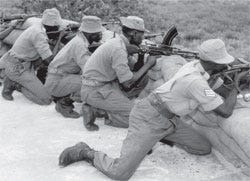
In 1950, the increasingly political activities of the SYL led to its proscription. In its place, the Somalia-endorsed Northern Province People’s Progressive Party (NPPPP) was formed in the late 1950s. This party continuously agitated for the cessation of the Somali region of Kenya to join the rest of the Somali. They felt betrayed by the British who did not merge them with their tribesmen. Unfortunately for them, the incoming KANU government as well as other Cushitic tribes in the region like the Borana and Burji, were against the idea.
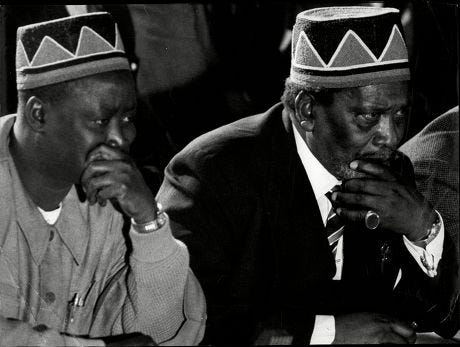
The unity the KANU coalition government showed towards this issue was quite peculiar. This was during the political brotherhood of Jomo Kenyatta and Oginga Odinga. The former famously stated that those who wanted to cede should “pack their camels and go to Somalia,” while the latter, in an Organisation of African Unity meeting, had said, “we shall not give up even one inch of our country to the Somali tribalists and that is final”. Meanwhile, the adamant NPPPP militarised and geared up for war.
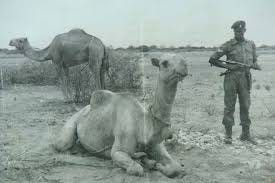
I don’t want to go into the Shifta War coz I’ve already written about it in the blog and you can read all about it here. What I will mention is the disgusting counterinsurgency policies that the KANU government employed that were eerily similar to those used by the British against the Maumau a decade prior. A declaration of a state of emergency in the Northern Frontier Province was followed by the consolidation the population into villages that were basically concentration camps. Just like the emergency villages in the Kikuyu Reserves.
Even Tom Mboya got his white-washed hands a little dirty. As the then economic minister, he launched a media campaign to try and depict the villages as a positive move for the economy of the region. Meanwhile, the Kenya Army conducted an ugly offensive punctuated by massacres, sexual atrocities, and military indiscipline. They were pardoned for all these war crimes by the Indemnity Act of 1970, which absolved all members of the armed forces involved in the Shifta war from prosecution. The consequences were far-reaching and entire subtribes like the Sakuye migrated to their relatives in Somalia.
A Tribal Issue
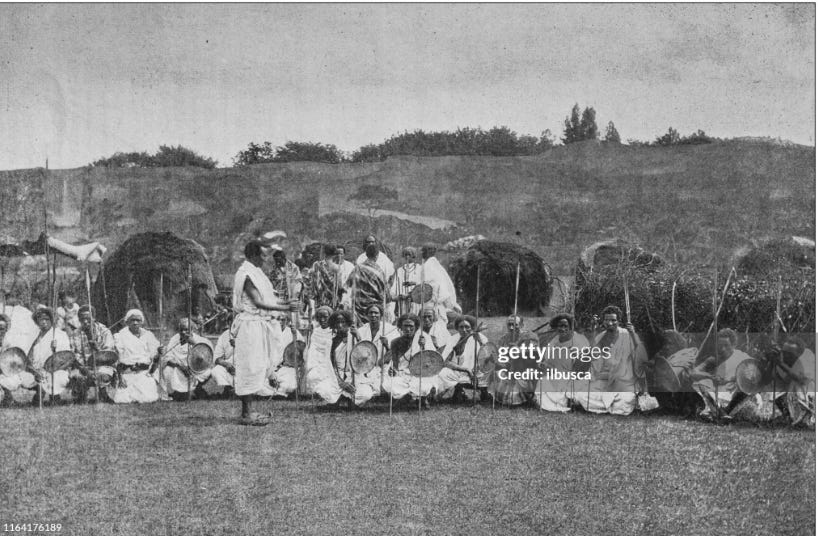
We can talk all we want about war crimes and economic policies all we want, but at the very core, this is a tribal issue. I’m not just talking about the tribalist aspects; I mean even the blazing fire of Somali nationalism witnessed to this day. The Somali have a distinct clan system. In their culture, marriages across clan lines are favoured to strengthen the political position of each family. This means that Somalis have blood-related family members stretching back generations, spread across different countries.
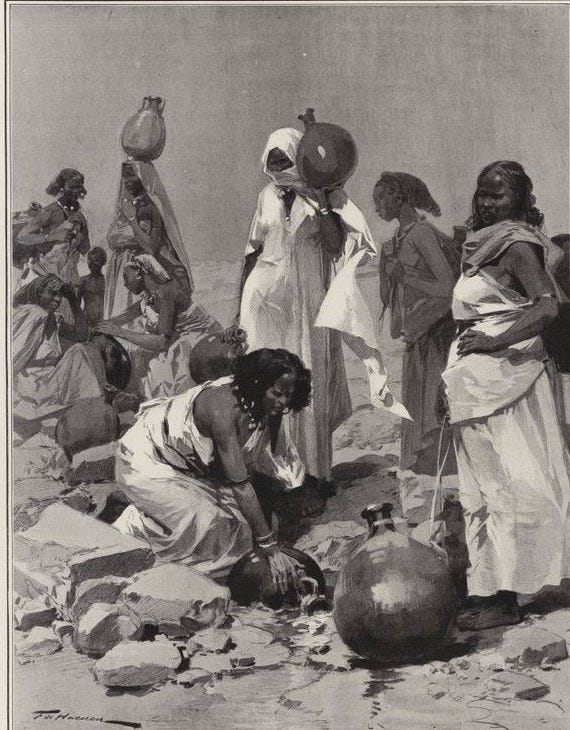
Further, they are a pastoralist tribe, meaning they move from place to place with their livestock in search of water and pasture. That certainly explains the vast region the tribe occupies. With the drawing of these boundaries, clans were suddenly denied access to their ancestral pasture, water sources, and saltlicks. The nationalism stems from a deep desire to regain access to these resources.
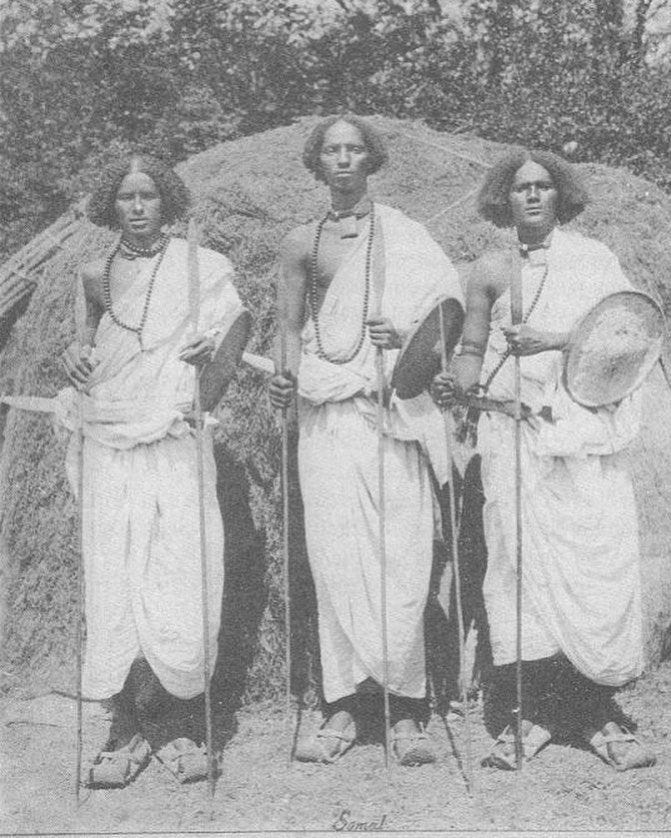
On the other hand, the tribalist hatred directed towards the tribe stems from ancient conflicts. With a Prehistoric People by Scoresby Routledge mentions an ancient attempt by the Somali to increase their territories southwards. This was during the reign of the Iregi age-set among the Kikuyu so around (1827-1861). Routledge records that as the Somali approached Mt. Kenya, they were not only opposed by the Kikuyu but also the Masai, N’dorobo, and the Akam’ba.
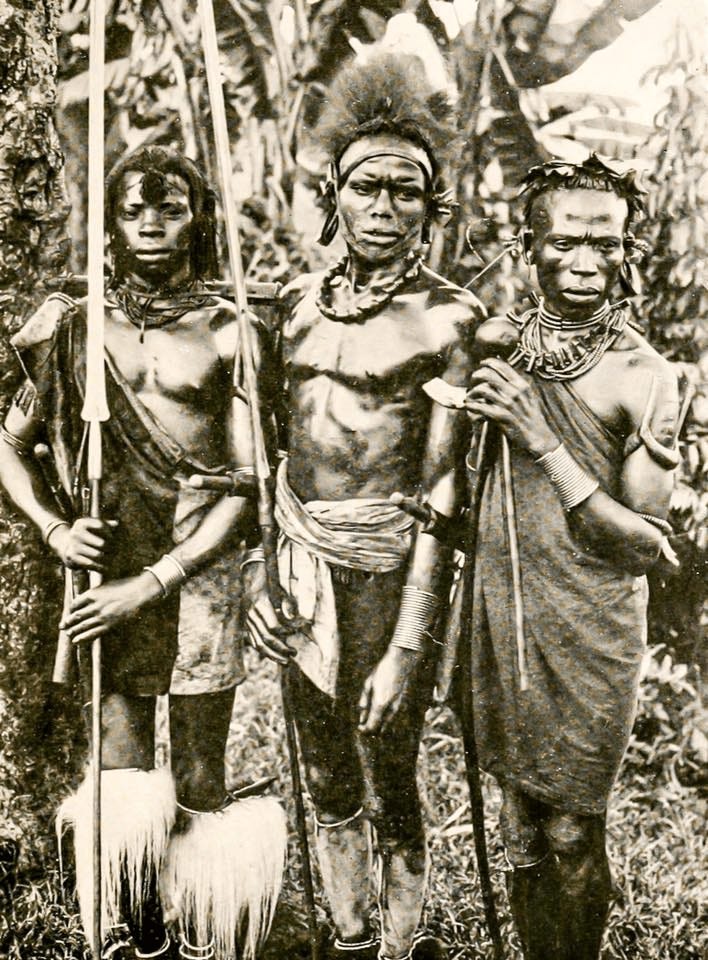
It must have been one hell of an invasion then. Although they’re not mentioned, I’m pretty sure the Somali first encountered the Tigania and Igembe subgroups of the Meru. Routledge theorises that these communities had to form an alliance against the invading Cushites and honestly, this is very likely. After all, it would be commensurate with the unity displayed by other Kenyan tribes against the Somali to this day. Anyway, the invasion was unsuccessful and by 1908, a Somali woman who was a trophy of war was still alive in Kikuyuland.
During colonial rule, the British used Somali mercenaries in their imperial wars. Indeed a contigent known as the Somali Carmel Corps was formed in 1914. This not only put down African rebellions, they were used to harass the Italian Somaliland borders in World War 2. This put them at loggerheads with other tribes. According to Karen Blixen’s book Out of Africa, Berkley Cole, a prominent settler and one of the main patrons of the Muthaiga Country Club, kept an armed retinue of Somali soldiers. She also wrote:
The Somali have a very different mentality from the Kikuyu and a deep contempt for them, but they will sit down in identical manner to weigh up murder, rape, or fraud against their stock at home in Somaliland,–dearly beloved she-camels, and horses, the names and pedigree of which are written in their hearts.
Moi’s Massacres.
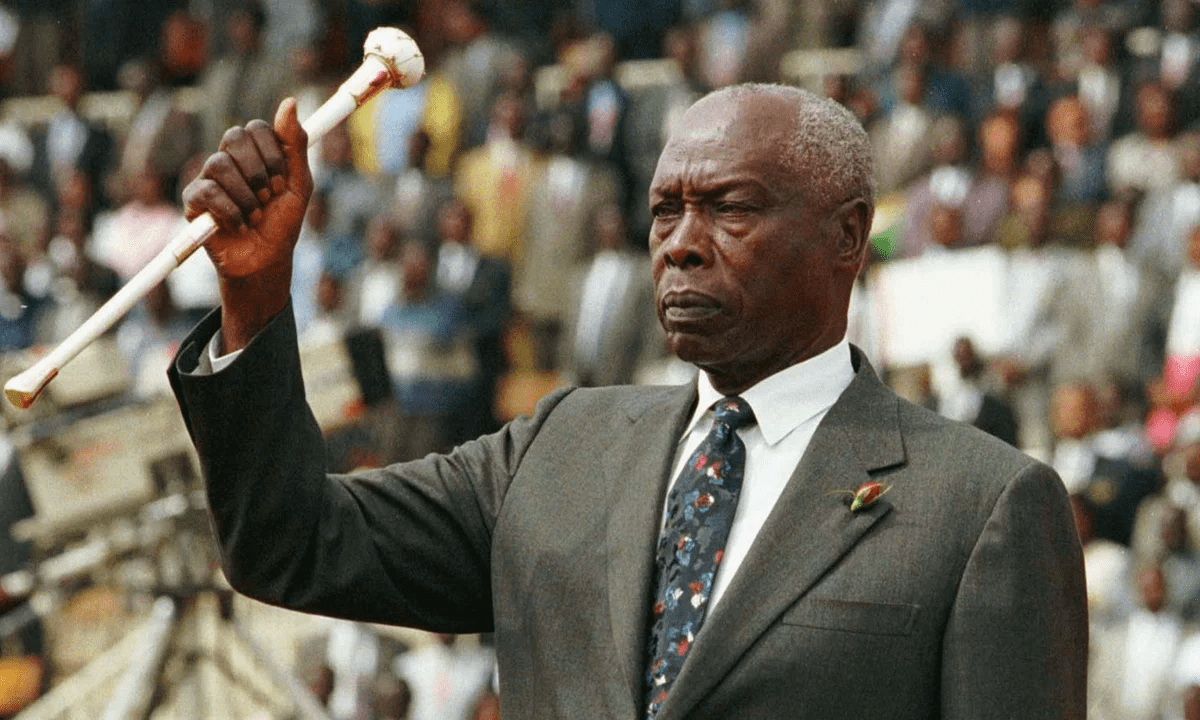
The Shifta War resulted in a deliberate marginalisation of the Northern Frontier District and the Somali tribe in general. In this crucible, the province was enveloped in continuous insecurity and gun violence. As government switched hands from Kenyatta to Moi, the murderous trend set by the predecessor was loyally adhered to. We all know Moi didn’t play about the Nyayo policy. This took the form of a series of grievous massacres disguised as security operations.
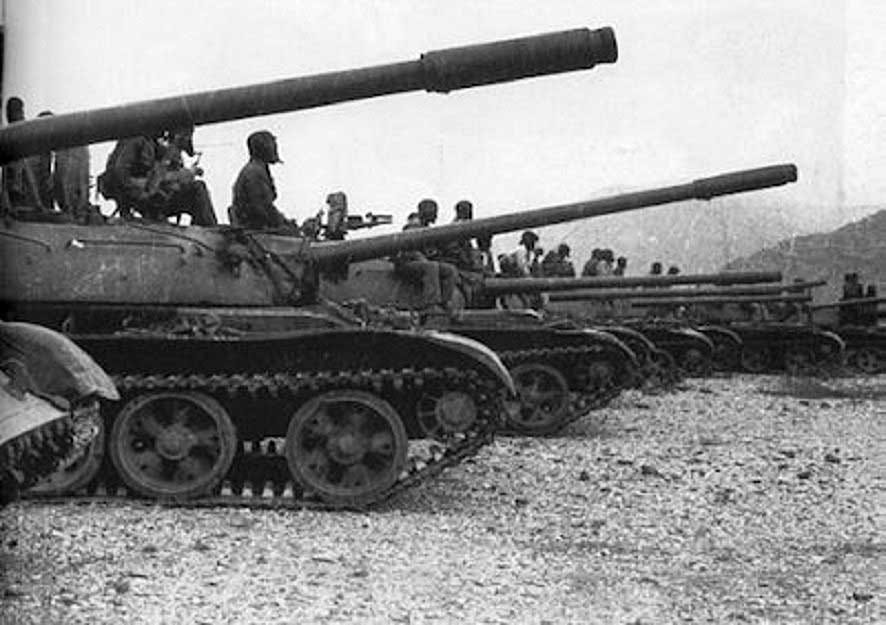
The Ogaden War in Ethiopia from 1977 caused an influx of refugees and defeated soldiers through the porous northern borders of Kenya. As a result, the region was teeming with AK-47s and idle mercenaries. The government reacted to the consequential insecurity with brutality.
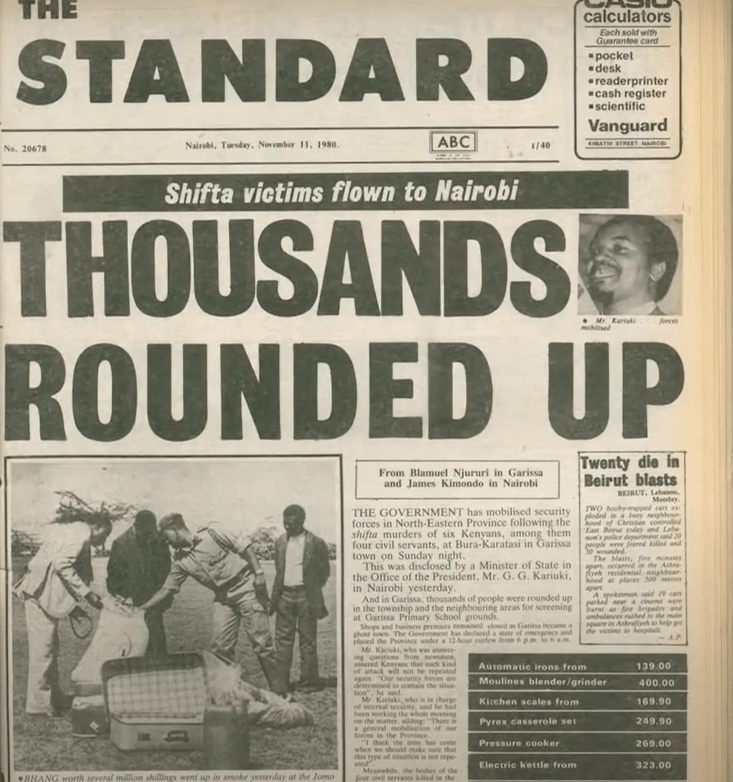
Like in November 1980 in Garissa, when security forces opened fire on Garissa residents then frogmarched the rest into Garissa Primary School. For three days they sat under the sun while being flogged and tortured to produce militia members who had killed government officials in Bulla Karatasi- a village near Garissa. An estimated 300 people lost their lives but it is unclear to quantify the death toll as the security forces shamefully dumped the bodies into the rushing current of River Tana to hide their tracks. I’ve written all about this massacre in this article.
3 years later in Wajir, violence between two rival clans attracted the government’s grim intervention. Members of the Ajuran clan were rounded up and transported to the Wagalla Airstrip where vicious butchery awaited them. The horrid details of this massacre can be found in this article from my blog, but I’ve got to talk about the sexual violations that took place. With the men rounded up, the women remained defenseless against the randy soldiers. This excerpt from the Truth, Justice and Reconciliation Commission interviews gives a good perspective on the events that transpired:
On the same day, Wednesday, the soldiers came back. Hundreds of girls were asked: “Do you want your men back?” They said: “Yes.” Every little girl or woman was taken away. They told us to follow them so that they could show us where our men were. So, when we went with them to Makaror, the soldiers turned on us when we reached the place called Makaror and said: “Today, there are no men for you. We are your men.” No woman was spared. They did not care whether some were pregnant. They did not care when some women told them they were about to give birth. They did not care that some women were old. Every soldier came. They were so many soldiers. They were uncountable. There were no prostitutes those days, so these men were sexually starved.
By then, I was nine months pregnant. They raped me again and again until my unborn child came out. Twenty women who were raped died. I saw them with my own eyes. Some women resisted them. They struggled with them and because of that struggle, they were beaten to death. During the night, the place became a camp for only women to be raped. The dead bodies were taken away. We do not know where they took them.
Kibaki’s Choices
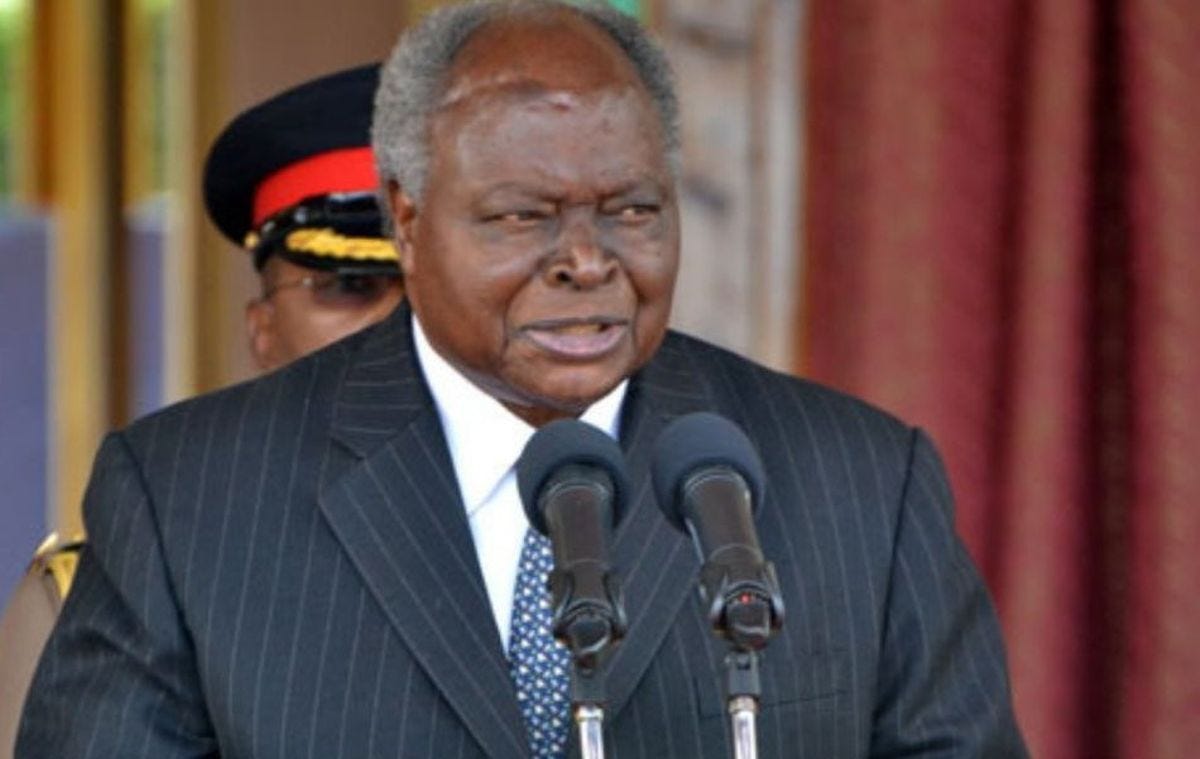
Mwai Kibaki, known to some as the ‘Gentleman of Kenyan Politics’ and to others as a notorious fence-sitter, seemingly had the best interest of the Somali at heart. I’ve made this infrence of two of his actions. First, he instituted the formation of the Truth, Justice and Reconciliation Commission. This commission was meant to compile a report on the historical injustices experienced in the country. The report was a vital resource in the writing of this piece.
Secondly, Kibaki opened the borders to individuals who had been exiled by previous regimes. The Sakuye subtribe which had been sent packing as a result of the Shifta War could finally return. Unfourtunately, this was close to half a decade since their exodus. The condition for their re-admission was proof of citizenship. When leaving a country as a refugee, identification documents aren’t really a priority and by then they could have burnt down. Few Sakuye benefited from this invite.
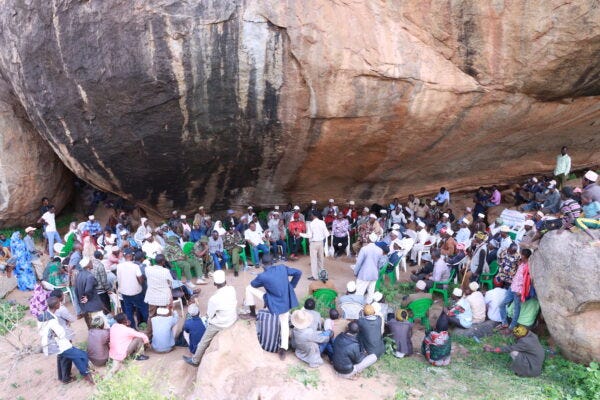
Although Kibaki meant well, his moves had little impact. The recommendations made by the commission were never implemented and the victims of historical injustices were never compensated. The North Eastern Province still remained mostly marginalised even with the introduction of devolution.
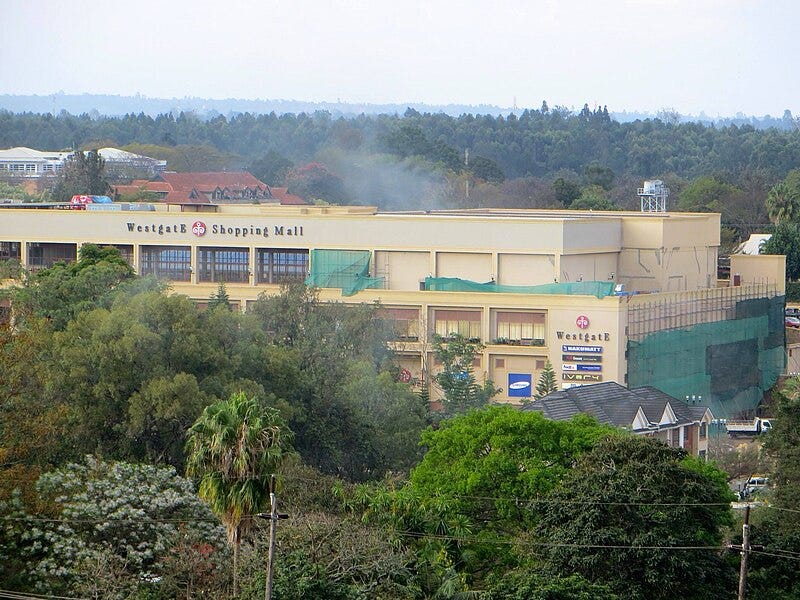
What the government did not realise was, with marginalisation, the security nuisance in North Eastern was slowly morphing into a terrorist threat to national security. The Al-Shabaab, who had been growing in power since 2006, were terrorising the neighbouring country of Somalia. When the Kenya Defence Forces joined hands with the Somali Military to rid Southern Somalia of this menace, the Alshabaab threatened to attack kenya in retaliation. They made good on their word in a series of attacks in the 2010s including the Westgate Attack in 2013, the 2014 bus attacks and the grisly Garissa University College Attack in 2015.
The result, waves of anti-Somali hatred and discrimination. It was clear that neighbourhoods which featured prevalent Somali residence, were hosting some of these Al-Shabaab militants. Similarly, Somalis remained more aversive to naturalising to the norms of a country that abjectly persucuted them.
Ruto’s Explotation
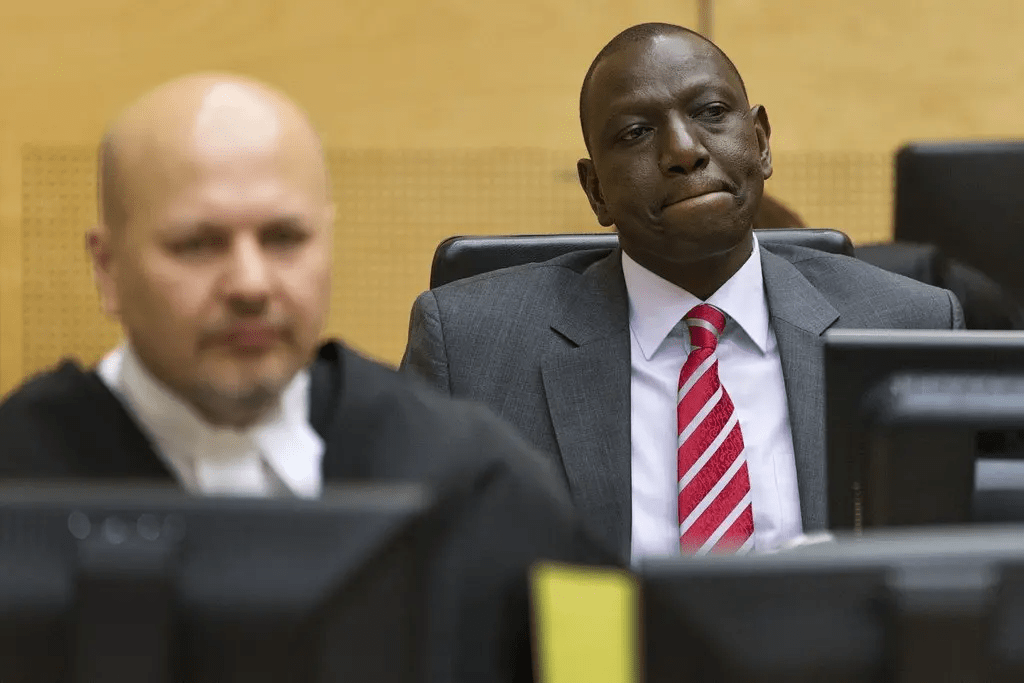
Oh, to write about what’s wrong with this country without mentioning this fuckass excuse of a president we have!
As an ode to his evil and incompetence, he is doing nothing to fix the marginalisation of the NFD. Rather, he is trying to exploit it. The decade-long separation of the Somali makes them uniquely vulnerable to Ruto’s false promises. Y’all remember the time he lied about an imaginary road as he mentioned the town names one by one. To pacify the locals, Ruto keeps a retinue of minions and bootlickers like Aden Duale- A man described by Jacob Juma as ‘Ruto’s attack dog’. Another is Faraah Maalim who famously stated that his solution to the Gen-Z protests would be to kill 5,000 of them.
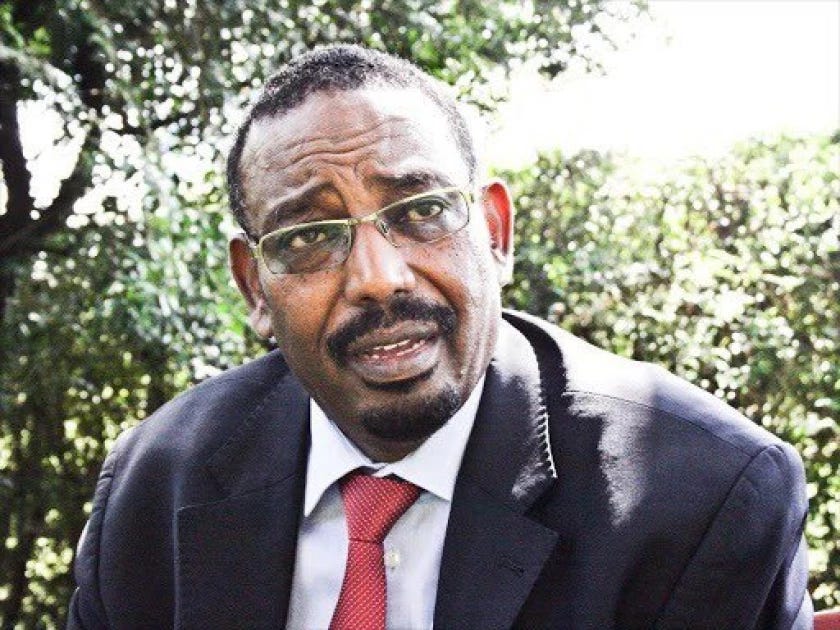
Rather than institute measures to plug the Somali frontier, Ruto intends to use the border’s porosity to his advantage. The promise of giving Identification Cards to the residents of North Eastern counties may seem like a step in the right direction to the untrained eye. However, upon closer examination, the fact that this ‘inclusive’ measure is not accompanied by any financial, infrastructure or administrative changes proves that its a scam.
Ruto is planning to rig the 2027 elections and he is going to use this region to do it. As rifts between the Somali and the rest of the country widen, Ruto and the oppressive financial class prepare themselves to reap. He couldn’t care less about national intergration or civic inclusion, we all know what his priorities are. In our quest to defeat this tyrant and the institutions he represents, building bridges with the Somali is an absolute priority. Hopefully, we do this before he floods the country with ID (and AK-47) wielding Somali Somalis who I imagine will be far more difficult to negotiate with.
Conclusion
Kwa kifupi, for every Somali born within the Kenyan borders, a dilemma of loyalty exists. On one hand, there is your tribe and relatives, some of whom live across country borders and have nefarious intentions for your own nation. On the other, there is the country of your birth headed by a government which, over the years, has made it painfully clear that they would be better off without you. Its citizens persecute and despise you for your forefathers’s choices and assume you have already chosen against them. This is the Somali problem.
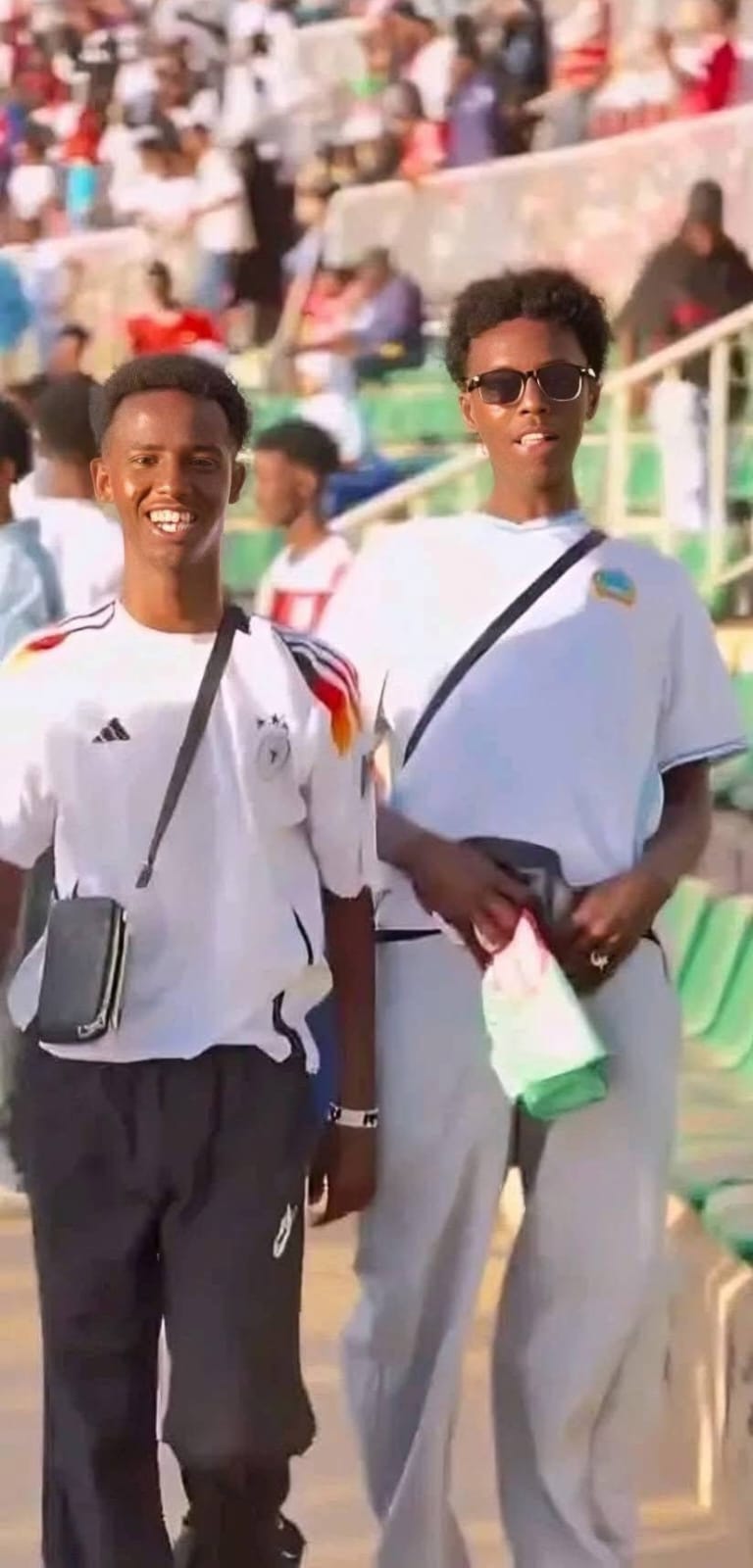
I can’t tell you to drop the tribal hatred you might harbour towards the Somali. Certainly, many of us have lost family and friends to the terrorrist attacks and the insecurity in the North Eastern region. The conduct of those misguided, cloutchasing boys in Kasarani was very provocative and the outrage is valid. I just wish the DCI would use the same vigour employed towards tracing and arresting them, in going after corrupt individuals and lawbreakers in the political class (like Didmus Barasa).
I hope to have informed you of how we got here, and what is at stake if we do not bridge the gap with urgency. The political class, our eternal enemies, stand to gain from this division. As long as the tribe occupying the largest landmass remains marginalised and persecuted, abandon all hope of a stable Kenya.
Hinges of Time is a Kenyan history collective that is dedicated to teaching History the right way. You can support our mission by getting a paid subscription. This money not only funds research and motivates writing, it also earns you some subscriber privileges. Alternatively, you can donate directly from M-Pesa through this link.
I’m so glad I found a substack written by someone who understands the historical background of the conflict.
This is so beautifully written. As a history enthusiast, I really appreciate how well you’ve merged the points. I think in Kenya we’re often too quick to express disdain for certain communities, and unfortunately, that gets passed down to the next generation as if it’s normal. I completely agree with you—an entire community should never be blamed for the mistakes of a few. We need to make a conscious effort not to perpetuate hate or misinformation, because left unchecked, it can escalate into something as devastating as genocide