
Was Salim Junior a Fraud?
Intellectual property thief or musical pioneer?

The late Salim Junior (born Paul Mwangi Salim) is remembered as one of the greatest musicians Kenya ever produced. Born in Subukia to a family of artists, he followed in his father, Salim Mwangi’s footsteps while paving the way for his siblings, many of whom grew into reputable musicians themselves. Hailing from Subukia, Salim made a name for himself, his musical talent, stage presence, and consistency securing him a meteoric rise to stardom. By the time he passed on from chest infections in 2016, he was well ahead of his peers and was credited as the ‘father of mugithi’.

Regardless of all this success, there is an existential question that haunts his legacy. Damn near his entire discography is filled with covers of older Kikuyu songs from the Ngogoyo era. The sort of songs we looked at in Mugithi Beef and Top 10 Joseph Kamaru Songs. Many use this to discredit his success and term him an intellectual property thief. We will analyse his discography for ourselves so we can get to the bottom of things.
Salim Junior’s Discography
Mihang’o ya Mbia
Starting us off, we have the album Mihang’o ya Mbia. As a matter of fact, most of this album is built on John Ndichu’s hits. In the opening track, Akinyi, Ndichu attempts to rizz up a Luo babe to come back home with him to Gatanga in Murang’a. He has his work cut out for him, as there is hardly anything appealing to Akinyi about the prospect of going to Muranga; certainly not the terere, thoroko, and other vegetables Ndichu mentions to try and lure her. Salim’s version of this song features a guitar melody over a fast-paced drum track. A departure from the original semi-acoustic version performed by John Ndichu.
The trend continues throughout the album. Classic John Ndichu bangers, many of which were released as vinyl records before Salim Junior was born, are interpolated in a modern one-man guitar fashion. Songs like Carolina, Cucu wa Gakunga, Gicambanio, Mama Ciru and Waithira receive a clean polish. Here and there, Salim takes the liberty of switching up the lyrics to suit him more. ‘Gatanga’- Ndichu’s hometown is traded for ‘Subukia’, where Salim is from. In parts where Ndichu would shoutout his brother Wamumbe (on tracks like Mama Ciru), Salim shouts out his homeboy Kagia.
Wendo wa Chebechebe
Now, savvy readers know I don’t play about Joseph Kamaru. I’d go to war for his legacy. So you can imagine my surprise when I found this album by Salim Junior that plays like a ‘Kamaru Greatest Hits’ compilation mixtape. From the title track, to bangers like Ke Ngwitikirie and lesser-known golden oldies like Ndanuko Cia Mitahato, it is clear how deeply Kamaru inspired and influenced Salim Junior. The album is punctuated by titles from another legend, Sam Kinuthia, including Mutumia Murogi and Reke Hitoke na Mundu.
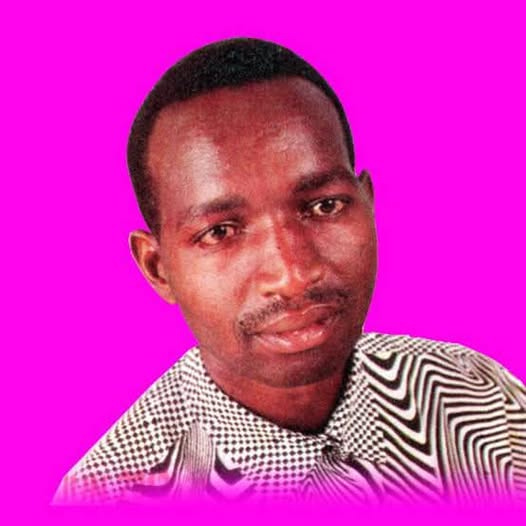
Again, Salim shifts some lyrics to better fit his performance. Mboco Iri Mbuca was originally a sad ballad detailing Kamaru’s difficult upbringing and the suffering he went through in his pursuit of education. In the closing verse, where Kamaru refers to diligence generally, Salim specifies the hard work he put in playing his guitar as a consequence of his childhood suffering.
Arata
Having paid homage to his two favourite legends, Salim Junior diversifies his source material on this album. Many consider Wiku Wiku as Salim Junior’s biggest hit. Wiku Wiku was originally written and performed by Francis Rugwiti wa Njeri and the Banana Hills Band. D.K wa Maria who spoke about in Mugithi Beef has his songs I Love You and Hingurira Mami covered on this album. Ime Ria Kasarini by Pius Kihingo also makes an appearance.
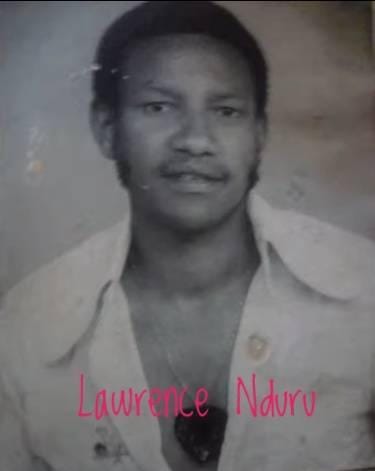
But the standout tracks in this album are covers of Rift Valley Brothers legend Lawrence Nduru. Cokia Kimindo Njora is a song detailing a confrontation between two men over the same girl. There is also Jane Ndukeite and Wangui Mutirima Wakwa- all originally performed by the hitmaker from Ndeiya.
More Joseph Kamaru covers show up here as well, including D.K Njohera, the song where Kamaru confessed to stealing D.K wa Maria’s girl as discussed in Mugithi beef. Salim covers the track, barely touching up the lyrics at all.

Kiomboyo, Stuka and Kirindi
The next three albums are more of the same, really- old Ngogoyo tracks receiving a new polish. In Kiomboyo, unsung talents like Wanganangu receive their flowers. Gituambini Kia Mucatha is a household classic that got to live another life through Salim Junior’s cover.
Stuka features many Francis Rugwiti covers, including the title track and Wendo wa Thakame. This beautiful love song was doubtlessly dedicated to many a Murima baddie by the young men trying to lure them.
Kirindi features some original tracks. A result of Salim’s pivoting into songwriting. Nonetheless, the majority of the tracks on the album are covers. Nairobi Mugunda wa Mahiga is a rendition of John Ndichu’s Gukuu Ii Ngukue. Thina wa Kinuthia was originally performed by Sam Kinuthia.
Hutia Ria Keri
Like many Kenyan artists do in time’s eventuality, Salim Junior turned to Gospel music. Well, it was always a part of his performances, though. They were covers of famous gospel tunes by the likes of Elijah Karanja and Njoroge Ngari. Needless to say, his gospel songs were critically acclaimed and damn-near doubled his fanbase. Some of them have been cemented as certified classics- the kind that I grew up hearing my parents sing.
Birth of Mugithi.
Okay, so we have established that most of Salim Junior’s work, especially at the start of his career, was based off covers of other people’s songs. Is this enough to discredit his success, though? What if I told you that Salim Junior’s music was not only necessary for the industry, but it also birthed a whole other genre?

I’m a big John Ndichu fan myself. I have listened to the original versions of songs like Waithira and Gicambanio Kia Gatanga. But I still remember the first time I heard Salim’s versions of these songs. I actually fell in love with the tracks all over again. It was almost as if the message was permeating a new. Same lyrics, same melody, but with a polished production and Salim’s seamless voice. We discussed the song Mama Ciru at length in the Joseph Kamaru post. Just when I thought it couldn’t get any better, I heard Salim’s version and bro… What a song.
What people forget is that Salim was primarily a performer. He started out hitting local shows in Nakuru, Njoro, Elburgon and Gilgil. Before long he was filling up large clubs in Mombasa. As we’ve mentioned, he performed the tracks in a one-man guitar style that was especially appealing for the times. The tracks he was performing were from the Benga/ ngogoyo/zilizopendwa era. These songs would normally be performed by an entire band. By performing these old songs in clubs using modern equipment and the style that was in fashion, Salim Junior blended the old and the new.
Mugithi is a performance genre. I noticed this when I attended a mugithi night in Kabuku with my cousin sometime last year. Above is a video I shot of the singer performing Jackline by George Wanjaro.
Salim was certainly not the first to adopt this one-man guitar performance style that became a mugithi staple. His own father employed a similar technique. Salim Junior is credited with birthing Mugithi because by rerecording the ngogoyo classics in this new fashion, he effectively modernized Kikuyu music. He pressed old clay into a new mold, resulting in a refreshing genre. A musical personality that upcoming artists could now freely explore using their own creativity while still maintaining the traditional lyrical matter.

Further, there is no denying Salim’s individual talent. His skills on the guitar are quite unparalleled, and whereas he copied and pasted most lyrics as they were, Salim always gave each track some refreshing production. Don’t get me started on his voice.
My renown faves like Joseph Kamaru, John Ndichu, CDM Kiratu, Francis Rugwiti, Lawrence Nduru and Sam Kinuthia ruled the 60s, 70s and 80s. Thanks to Salim Junior their music was reborn anew and retained relevance throughout the 90s, to date. His contribution to the country’s music industry will forever be indelible.
Hinges of Time is a Kenyan history collective that is dedicated to teaching History the right way. You can support our mission by getting a paid subscription. This money not only funds research and motivates writing, it also earns you some subscriber privileges. Alternatively, you can donate directly from M-Pesa through this link.
Inflammatory title 😅
But I agree with your conclusion. And I like Mugithi's performance culture. I feel like a more strict adherence to "IP rights" would:
1)lead to less people breaking into the industry because a lot of people come up through covers
2)lead to songs being forgotten. I can't tell you how many songs I've loved only to find out later they were covers (I heard a lot of them through Salim Jr. incidentally 😂). Reinterpreting a song to be more modern keeps it alive.
It's crazy coz he's 'was' my first cousin. He did his best. True story ukitaka tembea Subukia, stage inaitwa Baze.