
MÛGITHI BEEF
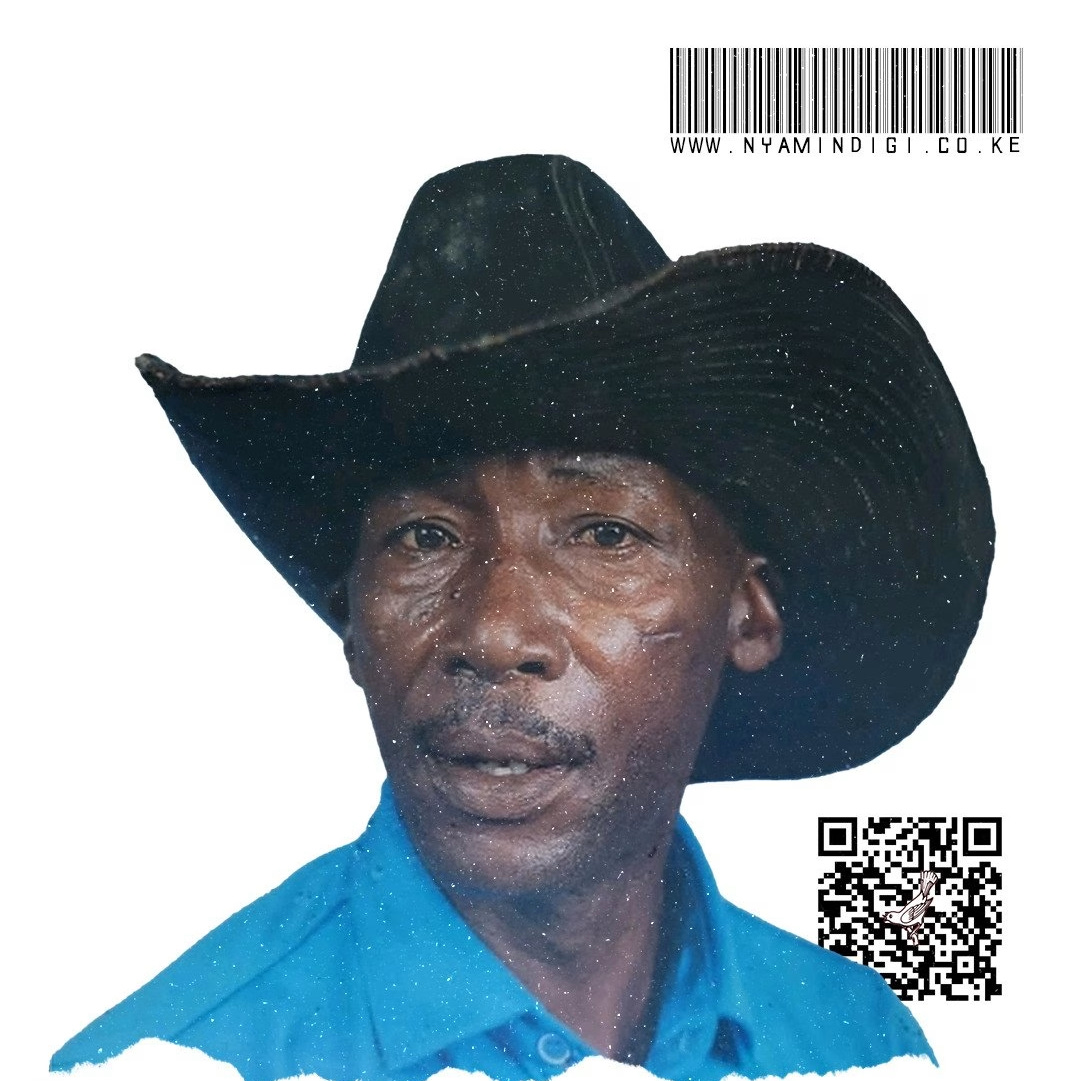
Joseph Kamaru vs. D.K wa Maria


Okay. Spotify Wrapped season is almost here so before they snitch on me let me out myself. I’ve been listening to a lot of mûgithi. Primarily from the Benga period (1960s-1980s), this encompasses most of the songs we would categorize as Zilizopendwa. Theres just something about the line deliveries over bouncy guitar instrumentation that I absolutely love. Especially paired with Kikuyu lyrics, which hit twice as hard depending on the context. Joseph Kamaru has established himself as my absolutely favourite and the hilarious ‘beef’ between him and D.K wa Maria on his 1970s tape titled D.K Njohera (D.K forgive me) is part of the reason why.
.
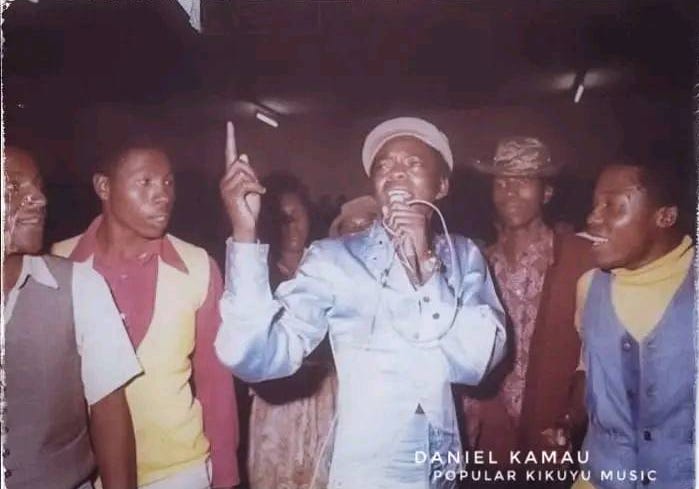
In my opinion, Kamaru and D.K wa Maria are two sides of the same coin. D.K rose to fame in the late 60s singing deep Kikuyu love songs over beautiful guitar riffs. He had his first major hit with a song titled I Love You or Mûrata. His songs Nana and Mwithua were banned from the KBC for obscenity.
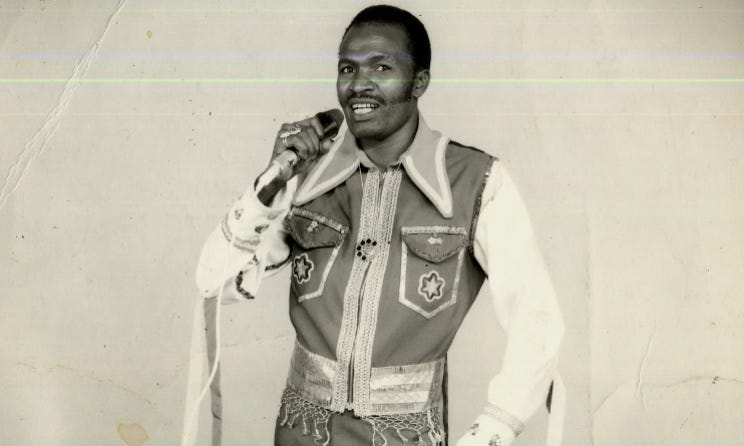
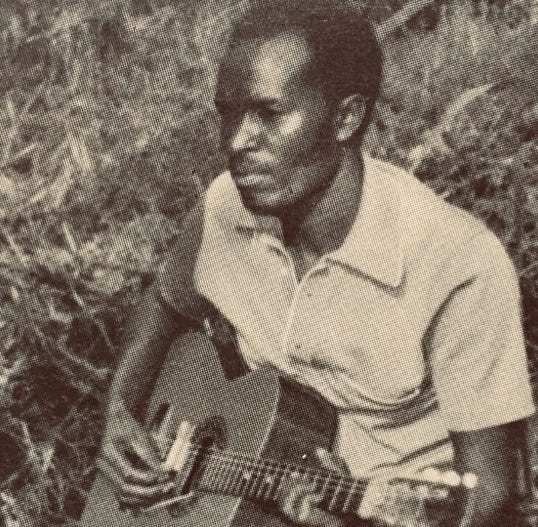
Joseph Kamaru also sang about love but not in the conventional way. He focused on the ugly side of love- the infidelity, arguments, shame and rejection. His lyrics were also lewd, but rather than submit them to radio stations, he released a series of Adults Only tapes that somehow found themselves on the airwaves regardless. His music was also very politically conscious. Infact, part of his earliest discography was an archive of Maumau songs which is such a valuable source for me as a historian
.
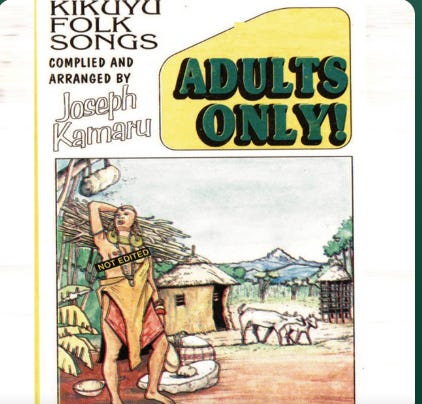
Kamaru released D.K Njohera sometime in the late 70s. Within this body of work, Kamaru takes several direct shots at D.K. on a personal level all while maintaining a pragmatic tone. It is unclear what initiated this beef or if it was even that serious but lets take a deep dive into the body of work to see if they were really about it.
1. D.K Njohera
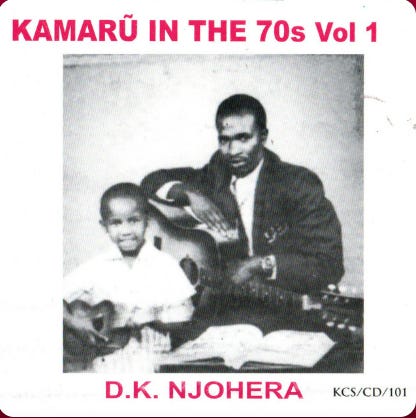
The album starts with the title track D.K Njohera. Over a moving guitar melody punctuated with interludes, Kamaru sarcastically asks for D.K’s forgiveness. His crime- ‘stealing’ D.K’s girlfriend. He uses this song to not only own up to his mistake, but he also tells D.K exactly what happened on the weekend they spent together. He insists that he did not know about the girl’s relationship with D.K. Kamaru acts as if this is meant to put D.K at ease but in reality, he is rubbing his nose in it.
Kamaru starts by explaining how he met the girl in Naivasha while D.K was abroad. All her money had been stolen on transit to school in Kinangop. Although Kamaru was headed to Nyandarua to check on his farm, he decided to treat the girl to a fun weekend in Nakuru. They went boat riding in Lake Nakuru, then went to Mt. Longonot for a photo session. Afterwards, they caught a movie in the cinema, followed by dancing in the disco and lastly a 5-star hotel dinner. All the while, they were in love, embracing and kissing. Kamaru vehemently apologises as he did not know that was D.K.’s girl and offers to show him the pictures and letters.
In the end, Kamaru took the girl back to school on Monday and paid her fees in full while her fellow students looked on, some even recognised him. He returned to Nairobi without checking on the farm, the very business that had sent him travelling in the first place. He asks for D.K’s forgiveness one last time, insisting that there is no need to conflict over a girl who is still living with her parents (ie, is not married).
D.K replied in song over the same instrumental. He titled it Kamaru Ndingikuohera (Kamaru I can’t forgive you). The lyrics are from the victim’s perspective, highlighting betrayal and regret about Kamaru’s escapades with his girl. He complains that Kamaru turned the girl against him altogether and she does not listen to him anymore. He vows to avenge by doing the same to Kamaru’s future love interest. This back and forth seems to show actual friendship between the two rather than jealous animosity.
2. Muraikio Riko ni D.K

Unfourtunately for D.K though, the disses do not stop there. Track number 2 is titled Muraikio Riko ni D.K. This literally means, D.K is throwing you into the fire. The song arose from a conversation between various artists including CDM Kiratu, D.K wa Maria, John Ndichu, Francis Rugwiti and Kamaru himself. Kiratu had said that it is better to travel home (gichagi) often, D.K wa Nyambura said he prefers just staying in Nairobi, Rugwiti on the other hand stated that his shags are in Banana therefore he can still work in Nairobi and see his parents.
Kamaru took it upon himself to solve the dilemma (nî niî Kamarû gûtuithania ciira). While Nairobi isn’t bad, he favours travelling home (in Kangema, Murang’a) every weekend. His grandparents bless him and his mother thanks him for coming. It is important for him to travel home often so his mother can see he is still alive. The 70s were a violent period especially in Nairobi as Kenyatta’s rule ended and Moi seized power.
In the third verse, Kamaru takes another assault at D.K explaining that the singer was misleading his friends by advising them to come and stay in Nairobi. Meanwhile, Kamaru claimed to have passed D.K’s car in Juja. The vehicle was laden with ngwaci (sweet potatoes) and trays of eggs meaning D.K had ducked back home briefly and was on his way back. He ends the song by warning the singer, Rugwiti by saying ‘Gutiri utoi Mucatha no Nairobi múgiíkio riko nií Kamaru ndirí na inyuí’ (Everyone knows Mucatha is still Nairobi, if you’re thrown in the fire I, Kamaru will not be with you).
The Rest of the Album
3.Uthaka ni Mwithua- In the rest of the album, Kamaru deviates to his usual subject matter. This song, whose title translates to ‘beauty is an itch’, is meant to warn his agemates to prioritise morals over good looks when looking for a wife- a common theme in Zilizopendwa.
To drive his point home, he narrates how he married a beautiful girl and took her home to live with his mother while he worked in Nairobi. A stream of letters from his mother informed him that the wife has been unfaithful and spends most of her time at the stage fraternising with matatu conductors. Kamaru travels home to investigate and although he misses her at the stage, he finds her seated in Rwambogo Bar in Thika entertaining several men. It is located on the notorious Uhuru Street, infamous for ladies of the night who ply their trade even in broad daylight.

4. Michachu- this is a Kikuyu term of endearment between a man and a woman in love. In this song, Kamaru records a conversation between him and a girl he likes. It sounds like the girl is asking for his forgiveness. There are great thematic similarities between this song and the previous one, suggesting it could be a continuation or reply. Such was the depth of Kamaru’s writing.
5. Tuigananatio ni Nguo- In this brilliantly written masterpiece, Kamaru delivers a musical critique of Nairobi’s class segregation in the 70s. The title translates to ‘Our Clothes Make us Equal’. In the song, Kamaru analyses the various social classes and how despite their varied home situations, they all interact together in the city having been made equal by their clothing. I’ve gone through the trouble of translating the lyrics and will attach them at the end of this post.
6. Wanduire Karimu- This is yet another accusation of infidelity but delivered with emotional depth and gripping lyrics. The title means ‘you’ve made me a fool’. The girl he plans to marry, lives in Nairobi and always gets to his place on Sunday. Sometimes late into the night embarrassing Kamaru infront of his parents. Kamaru puts 2 and 2 together when he realises that she always alights at Thika before she gets to his place in Murang’a. This makes no sense considering the girl has no family in Thika. Her excuse is that she always works overtime in the weekend but Kamaru knows better than to believe her
.
The night they spend together is normally torture as well. The girl supposedly calls out the other man’s name while making cuddling motions and kissing. Kamaru considers recording her the next time she does this and calling his mother to witness so she believes him when he says she’s been unfaithful. In defeat, he realises that there’s no chance he is marrying that girl and gives her a 14-day ultimatum to decide what she wants.
7. Ndunyu ya Wangige- it means the Wangige Market. Yes, he’s talking about that small town along Southern Bypass on the headwaters of the Karura River. Having found letters from his lover’s other man, he suggests going with her to Wangige Market. In this crowded place, Kamaru will get the chance to claim her in public therefore killing any rumors (mucene) and destroying any chances of her cheating on him. He uses the last half of the song begging for the girl to stay loyal since her whole extended family knows the two of them are in love.

8. Njangiri Cia Kwanyu- As if this relationship couldn’t get any more toxic, it goes up a level. Kamaru moans his health after the girl arranges for him to be beaten up and stabbed. She invites him to come see her at her home only for him to be set upon by ‘majangili’ the second he arrives. He is writing this song in Kenyatta Hospital and vows never to go anywhere near the girl’s place, even if he is given an escort. He would rather be laughed at than get injured (Kaba thekererwo handû ha nyûnjiû mwirî)
9.Kung’u Maitu Niyathirire- fashioned from a folk song, this bouncy track features female background vocals. The grainy recording betrays an earlier production date. Here, he narrates about an individual’s first experience in Nairobi and being welcomed by pickpockets just like many are welcomed to this day. Honestly this one is a bit hard to understand and translate so if there is anyone with a bit more insight please share in the comments.
10. Thu Cia Mundu- Kamaru reflects on the fakeness of friendships in this track. The title translates to ‘a person’s enemies’. He gives a few examples of potential betrayals. One where his friends try to discredit him in the eyes of the owner of a farm he was planning to purchase. In another example, his friends again badmouthed him to a girl he was trying to court for marriage.
11. Catherine- this brilliant song is one of my favourites off the album. He compares his love with a girl named Catherine to a car that has mechanical issues. He suggests that they should see a mechanic while making several references to real car parts. In particular, he says the car has developed mithi. This is absolutely hilarious to me, as the only other time I’ve heard this word in use is by my dad describing the situation where the engine plugs are not receiving enough power to work the pistons. He also references a carburetor, battery charge and uses a waterlock malfunction as a very good analogy. I love this song.
12. Mapenzi ya Pesa Nane. Kamaru closes off the album in style. This track with a Kiswahili refrain talks about Nairobi’s harlotry and warns young people to stay away from promiscuous individuals. Failure to do this may cause a divorce in the future. He also takes one last jab at D.K by imitating the words “Hello Darling” which are a staple of D.K’s work, appearing first in his smash hit I Love You. The vivid descriptions of debauchery are striking. Years later, Nairobi hasn’t changed much.
I can’t say for a fact whether or not the beef was cordial or if there was actual animosity. All I know is that it gave birth to a great album that plays so well top to bottom with no skips. I’m currently working on a mugithi playlist, so let me know if you want the link once its done. I hope I have made the essay as accessible to everyone as possible. As promised, here’s the translated lyrics to Tuigananitio ni Nguo.
Our Clothes Make us Equal
The men who are in Nairobi, we are equalized by our trousers
The women who are in Nairobi, are equalized by their dresses
Everyone has their own problems that don’t concern us
When you see us on the road, just know
Our clothes make us equal.
There are normally 4 groups at lunchtime
Some drink milk
Some eat beans in Kariokor
And the young people in the hotels
Some sleep on trees waiting for the evening
When you see us on the road, just know
Our clothes make us equal.
Some sleep in Kariobangi
In the morning, they come in matatus
Some sleep in Limuru
In the morning, they come on bicycles
Others sleep in the mountain (Ngong’)
In the morning, they come in cars.
When you see us on the road, just know
Our clothes make us equal.
Even if you see him eating chicken
Or eating beans in Kariokor
Or see him driving a car while another rides a bicycle
Laugh at him or stay silent,
Assume he is poor or don’t
When you see us on the road, just know
Our clothes make us equal.
Dear man or woman,
Don’t think you have too many problems
Coz if you had problems like mine,
You would look for a rope or a cord
When you see us on the road, just know
Our clothes make us equal
Our clothes make us equal.
Hinges of Time is a Kenyan history collective that is dedicated to teaching History the right way. You can support our mission by getting a paid subscription. This money not only funds research and motivates writing, it also earns you some subscriber privileges. Alternatively, you can donate directly from M-Pesa through this link.
This is so refreshing. I grew up listening to them because of my dad. I have learnt so much.
This past year, I've had a sudden and piqued interest in learning my culture and mother tongue, and two things have been instrumental in this journey: Your essays and Mugithi.
I'm currently obsessed with George Wanjaro's songs.