
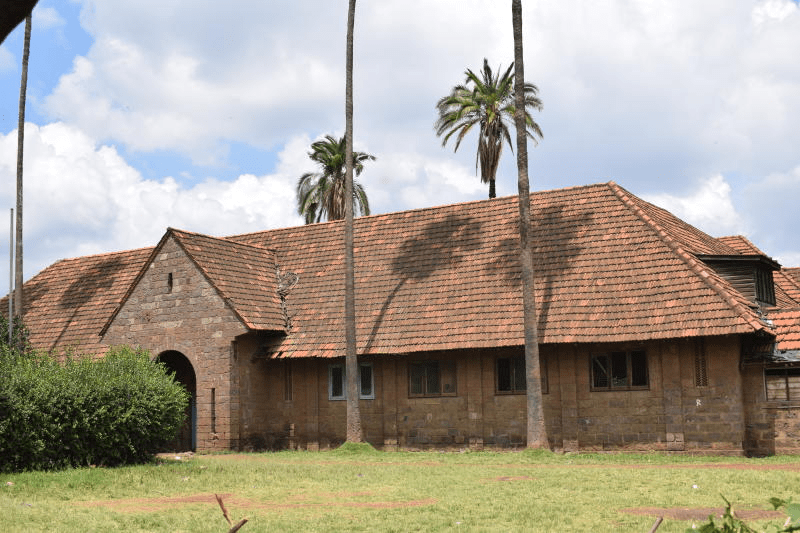
Kiburi House
The Maumau Headquarters hiding in plain sight

I think it was in 2021, when we were driving down to Nakuru Town with my dad, that I had one of the craziest Historical epiphanies in my young career. I’ve said before in comments how much I leverage on my parents’ advanced age as historical sources. I had just come upon a Maumau veteran interview where the interviewee confirmed Kiburi House as the operations base of the freedom movement in Nairobi. On the ride, I asked my dad if he knew about the building.
“Îî. Nîndîkûûî. Ona baba ararî Secretary General kûu Kiburi House,” he replied without taking his eyes off the road3.
He did recognise the place. What’s more, he said his dad (my grandfather) was a Secretary General there. This was insane to me. I knew that my grandparents on both sides were freedom fighters, but this… This could only mean one thing. Anyway, I descended into one of my rabbitholes, and today, after all this time, I want to share my findings with you.
Ownership
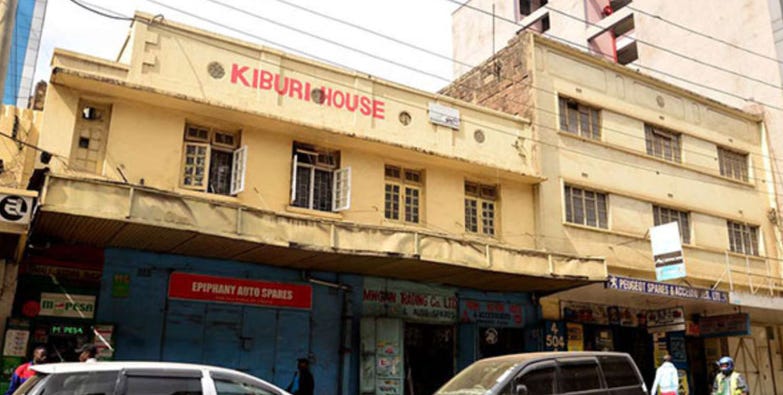
Make no mistake. I know John Kamau has done a proper piece on Kiburi House. Historians’ works complement each other and that is purely my intention here.
The Kiambu Fuel Supply Company, founded by Kiburi wa Thumbi was registered in 1946. Having spread to Murang’a, Nyeri and Embu Districts, the name was changed to the Kenya Fuel and Bark Supply Company Ltd. In 1948, a building was bought by the company in Nairobi, the heart of the colony, and it became Kiburi House.
I cannot say if being a base for the underground freedom movement was the intention from the start, but according to John Kamau’s piece, it is highly likely. Only Kikuyus (Embu and Meru count here) could buy shares in the company. The shareholder list looks like a Kenya African Union (KAU) members’ manifest. Plus, it was acquired just a few years before the Kenya Land and Freedom Army formally began its operations.
Special care was taken as far as admittance is concerned. Kiburi wa Thumbi had instituted a proper screening process at the entrances. Unwanted elements could not be let in. All of this scrutiny was necessary since, apart from the fuel business, Kiburi House hosted the budding Trade Unions.
Trade Unions for Nationalism
Trade Unions fell off. I mourn what we lost. Guys like me who were born during Atwoli’s never-ending tenure in COTU cannot comprehend what sort of power trade unions wielded in this country. Having banned all political parties, trade unions became a vehicle for nationalism, uniting workers against the oppressive colonial government. Unsung heroes like Makhan Singh and Chege Kibachia organised strikes that brought entire towns to a standstill.
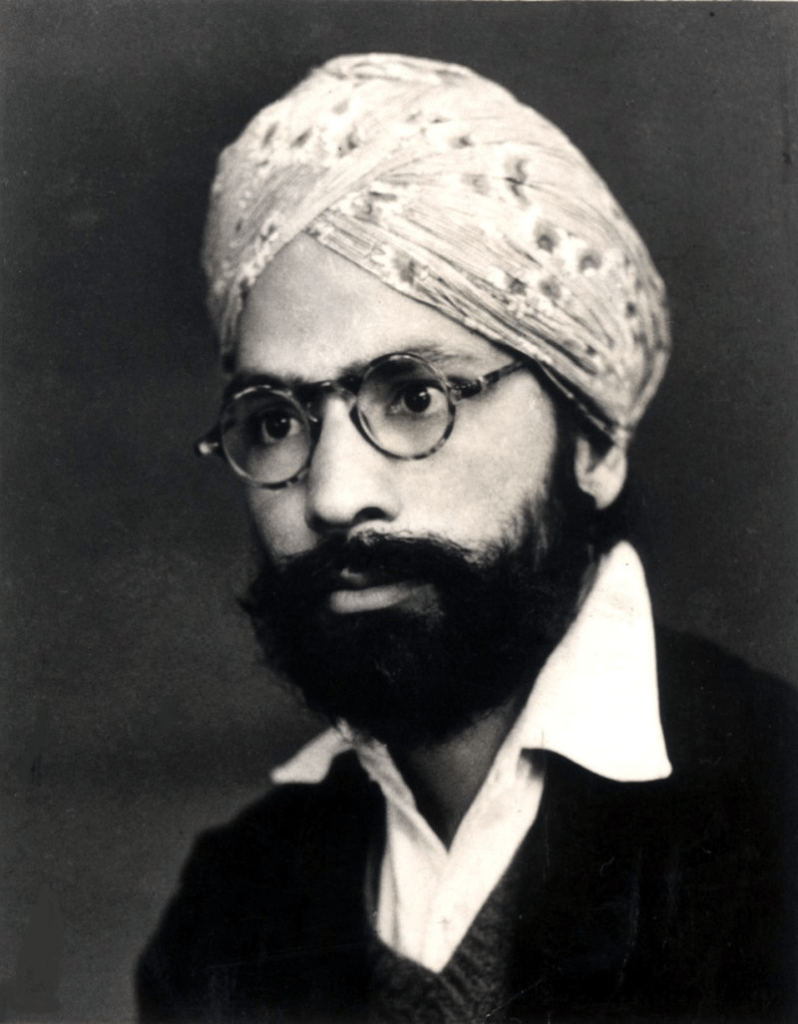
In 1939 for instance, African Railway Apprentices in Mombasa downed their tools, inspiring their colleagues all along the railway line. 15,000 workers held demonstrations that forced the Legislative Council to heed their needs. The mother of all strikes, known as the Nairobi General Strike of 1950 coincided with the official recognition of Nairobi as a municipality. Affairs in Nairobi were altogether halted, which was a huge embarrassment to the colonial government. British Royalty and legislators had streamed into the colony to celebrate the raising of Nairobi’s status, only to be met by a testament of the government’s incompetence.
What I’m trying to say is, by hosting trade unions, Kiburi House midwifed nationalism. Labour exploitation was one of the cornerstone elements of colonisation. The welfare of the worker was an SI unit of colonial policy. It is no coincidence that the leaders of these trade unions were also the heads of the political parties that the government was so afraid of. The trade unions housed in Kiburi House included:
Kenya Quarry & Mine Workers Union
Kenya Electrical Trades Allied Workers Union
Kenya Shoe & Leather Workers Union
Kenya National Private Security Workers Union
Kenya Hotels & Allied Workers Union
Kenya Union of Commercial, Food & Allied Workers
Transport and Allied Workers Union
etc…
Trade union activities rent the place by day; hidden from sight was a more violent approach to nationalism. The engine of the Maumau.
Kîama Kîa Wîathi
Many of you have heard of the moderate-radical schism that existed surrounding the use of violence in the struggle for independence in Kenya. While Jomo Kenyatta and his fellow old guard were reluctant to take up arms, these young trade union leaders preached the gospel of armed struggle. Having tried and even made positive strides using peaceful means like strikes and protests, they recognised the limitations of negotiation. Armed struggle, they argued, would force the British to listen.
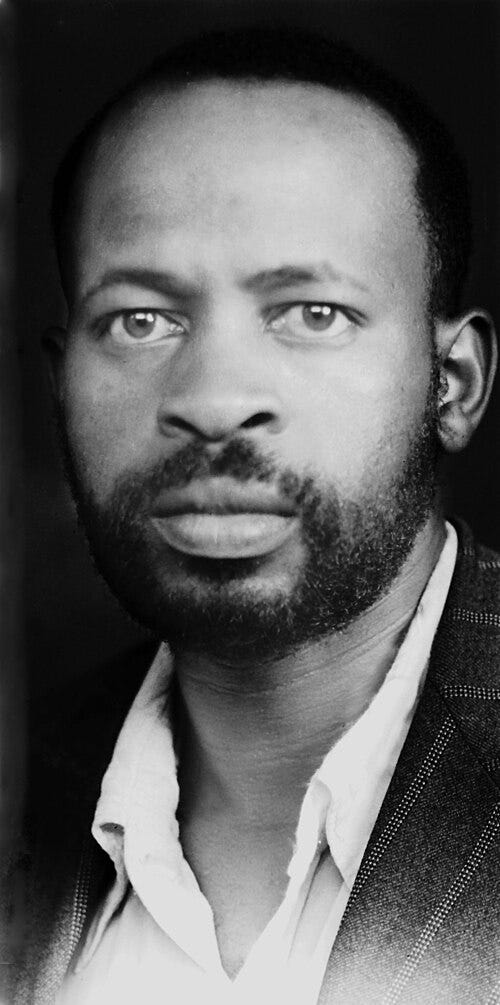
The Council of Freedom or Kîama Kîa Wîathi (KKW) was formed and met at Kiburi House. This was the group that organised and dictated the moves of the Kenya Land and Freedom Army. It included Kungu Karumba, Fred Kubai and Bildad Kaggia- 3 of the famous Kapenguria Six. There was also Chege Kibachia, who was first arrested and deported to Seychelles for organising the Uplands Bacon Factory Strike, which ended in bloodshed. After his release, he was mentioned as one of the organisers of the Lari Massacre, the worst bloodletting episode in the Maumau War.
In Maumau General Waruhiu Itote, aka General China, speaks on the activities of the Council. Having joined the Anake a 40 group in 1947, China received his MauMau oath in Naivasha in 1950. Back in the city, he was a fireman by day and a revolutionary by night. As a member of the Transport and Allied Workers Union, he had a proper insight into the activities of the Committee that convened the KKW.
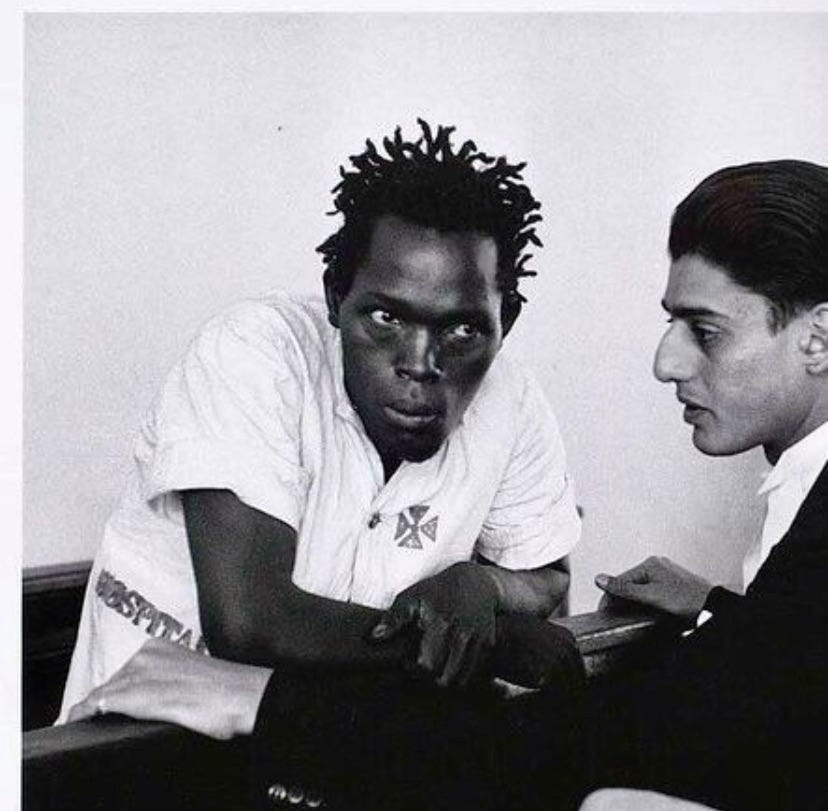
He served as a traitor executioner on behalf of the KKW. Savvy readers understand how ironic this is, considering he was the first general to spill the beans on the Maumau operations after being arrested by Ian Henderson in 1954. This marked a turning point in the war. I digress.
As an ex-soldier, he was valued by the KKW and recorded how cases and appeals were decided by the council, either in the presence or absence of the appellant. Strategy meetings were also held, and the messages relayed to the masses, mostly in Kaloleni Social Hall- another unsung national heritage site. This is confirmed in an interview with Nyaga M’aruja, a Maumau Veteran.
Raid
In the Kikuyu Proverbs article, we mentioned the thimo, Ng’enda thîî ndîagaga mûtegi- an animal that treads the ground will sooner or later, find itself trapped.
The colonial government realised it was in a precarious position when their closest Kikuyu ally, Senior Chief Waruhiu wa Kung’u was shot in his car at Gachie. The bullet caught him right in the mouth. Get this, Kiburi wa Thumbi, the owner of Kiburi House, was in the car with him and escaped the incident unscathed. Anyway, it prompted the colonial government to declare a state of emergency and then immediately begin arresting perceived threats.
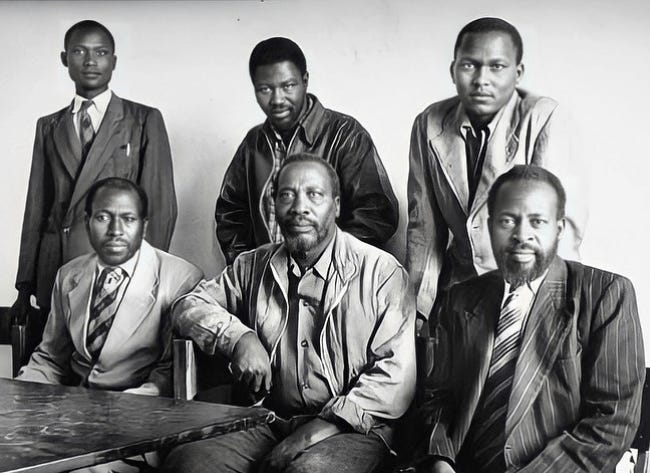
First and foremost were the Kapenguria Six. Bildad Kaggia, Paul Ngei, Fred Kubai and Kung’u Karumba were KAU’s mouthpieces so it makes sense that they were grabbed first but these were just the known individuals. Achieng Oneko delivered fiery speeches in the KAU rallies and the Kaloleni Hall meetings. Waruhiu Itote notes in Maumau General, just how secretive the inner council was, and it would take some time to smoke them out.
Louis Leakey, the colony’s authority on the Kikuyu, had established a spy network that had infiltrated deep into KAU. He slowly unearthed enough evidence of Kiburi House's activities to convince the colonial government to conduct a security raid.
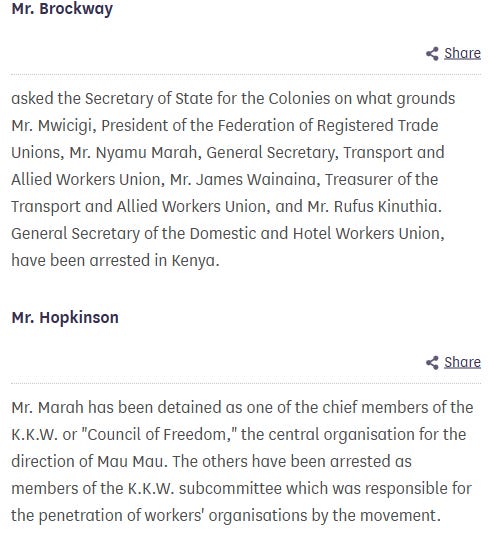
In early May 1953, it finally happened—a daylight raid into the once sacred space that was Kiburi House. Several Trade Union leaders were arrested and detained. In an entry in the UK House of Commons Hansard dated 20th May 1953, Fenner Brockway enquired from the Secretary of State for the Colonies, the charges for which high-ranking trade union leaders in Kenya had been arrested. The Secretary of State answered that they had been arrested as members of the KKW or Council of Freedom.
They were:
Mr. Nyamu Marah- General Secretary, Transport and Allied Workers Union
Mr. James Wainaina- Treasurer of the Transport and Allied Workers Union
Mr. Rufus Kinuthia- General Secretary of the Domestic and Hotel Workers Union, have been arrested in Kenya.
Rufus Kinuthia Macharia is my grandfather. The General Secretary of the Domestic and Hotel Workers Union. A member of the Council of Freedom subcommittee. Finding this piece of information solidified my career path and life’s purpose. I could not be prouder.
Conclusion
I wish we cared about our history as much as we should. I wish we recognised these places for what they stood for. I wish we would weigh their importance against the blood that was spilt to maintain the secrets within. We overlook Kiburi House today for the same reason it stayed under the colonial government’s radar for all those years. In Kirinyaga Road (formerly Grogan Road) downtown, away from the high-end areas of the city, Kiburi House lies forgotten.
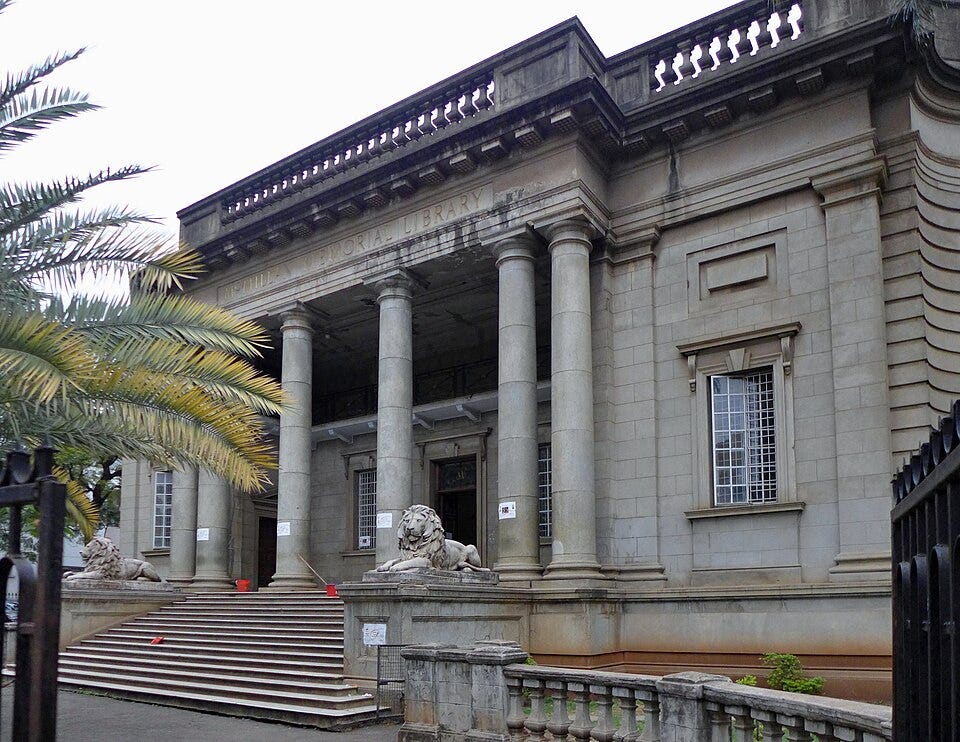
Meanwhile, we celebrate and flock to the McMillan Library on Banda Street and the James Murumbi Memorial Museum on Kenyatta Ave. The former is the only building protected by an Act of Parliament, while the latter was constructed as an office of the first Provincial Commissioner to Nairobi. Both white monuments.
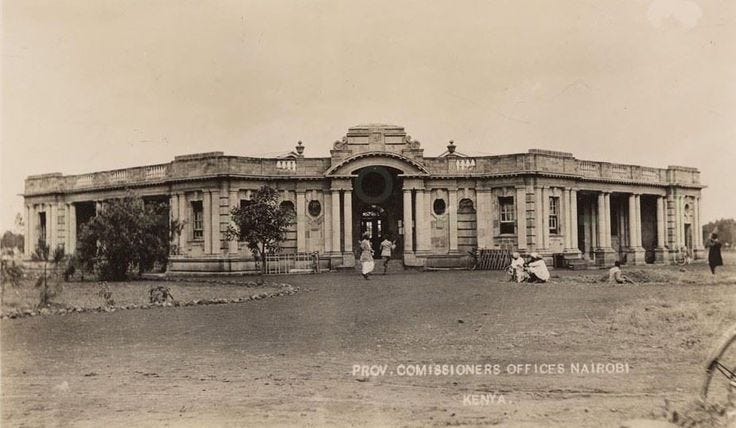
Obviously, Jomo Kenyatta, the perceived ‘leader of the Maumau’ was eager to forget about Kiburi House. He had once faced the KKW subcommittee answering to treachery charges after denouncing Maumau in a rally. The article on the extent of his Maumau ties is in the works.
I never got the chance to meet Guka. Rufus Kinuthia died in the 80s on the same day my dad had his first job interview. To be honest, I’ve never even seen a picture of him. But finding out about his efforts towards the liberation of this country, reading him in British Parliamentary documents, while legislators and settlers alike quaked in fear of the movement he helped lead, has given me a profound love and respect for the man. Seeing his name mentioned in J.M Kariuki’s Maumau Detainee, detailing the time they shared behind colonial barbed wire, has made me fondly familiar with him as though he was telling me these stories himself.
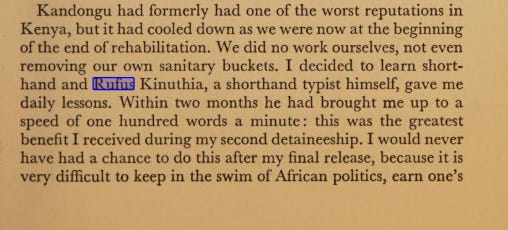
Every time I study history, particularly of the times for which he was alive, I feel like I’m having a conversation with him. Learning about the torture in detention camps allows me to feel, if only a fraction of his pain. Relaying this information forward to y’all feels like I’m continuing his life’s mission.
We never met, and yet you made me who I am. I hope I make you proud every day, Guka.
Hinges of Time is a Kenyan history collective that is dedicated to teaching History the right way while commenting on current affairs. If you learned something or want to support our mission, consider getting a paid subscription. This money not only funds research and motivates writing, but it also earns you some subscriber privileges. Alternatively, you can donate directly from M-Pesa through this link.
"I wish we cared about our history as much as we should. I wish we recognised these places for what they stood for. I wish we would weigh their importance against the blood that was spilt to maintain the secrets within"
Me too bro, Me too
your best piece yet. what a revelation on the greatness in your lineage and your life’s purpose! Kiburi House is clearly a site of many revelations in this country, while also being the first building owned by an indigenous African in the CBD. thank you for writing this!