
Why Doesn't Democracy in Kenya Work?
Modern solutions to a historical problem.

Ruto is fucking this country up. Political analysts and rival politicians predicted a downfall of the already dilapidated economy, but I doubt there is any graph or metric that could accurately represent just how bad we have it now. There’s not much need to remind you what’s going on: record-breaking petrol prices, a femicide crisis, missing children winding up dead, opulent spending, activists missing and dead, a neocolonial foreign policy and the lies. Oh my God, the lies.
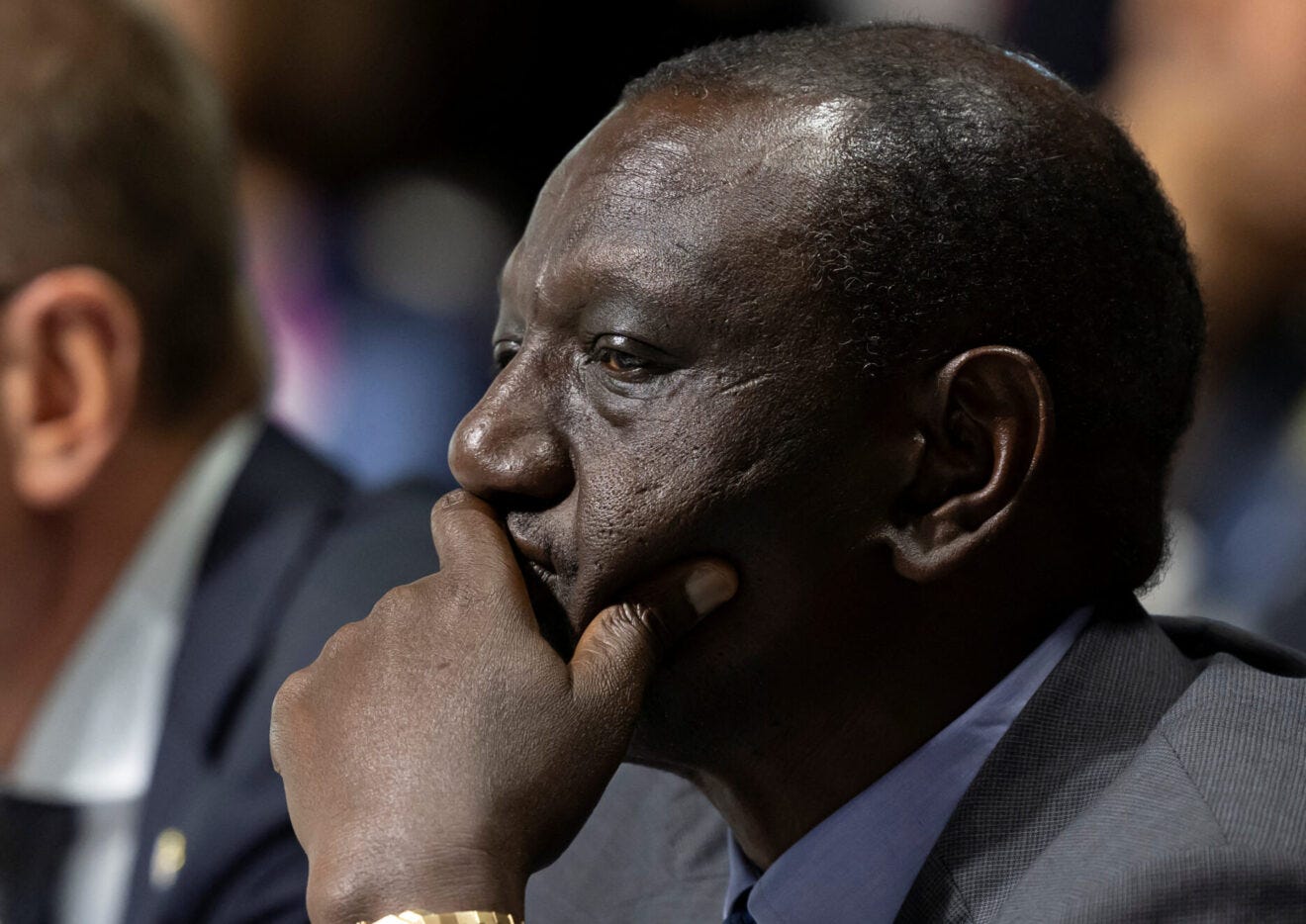
Ruto’s crowning achievement has got to be the planned importation of Ebola-infected Americans to be quarantined in Laikipia. Like, how greedy can this man possibly be? One of Trump’s earliest directives in this second term was cutting off most of the aid the USA was giving to African countries- a factor which caused much suffering to Kenyans, particularly in the healthcare sector. But no! Ruto is ready to burst the door wide open to let these infected Americans in.
Anajitetea saying, ‘Kenya’s healthcare system is more than capable,” NIGGA???? Women are sleeping on the floor in public hospital maternity wards. I hate this man and his minions so much.
Now, all this is happening despite a huge uproar and opposition from the citizens of the country. The same ones who, according to the constitution, hold the power. In a display of arrogance, characteristic of the current ruling class, Duale, speaking in front of Parliament, made it clear that they do not give two shits what the citizens think on the matter and they intend to go ahead with the quarantine facility regardless.

This got me thinking. Granted, Aden Duale is an asshole, but there is a recurring theme in all of Ruto’s political moves. A feeling of helplessness, knowing the government is forcing something down your throat that will be detrimental in due course. You know this feeling, my dear reader. Like on the way back home from maandamano, where you probably witnessed someone being offed and you realise things might be worse off than they were before and your protest might have been of no consequence in due course.
This is the direct opposite of what democracy is meant to be. These are our servants for fuck’s sake. They should be carrying out our will, not forcing us to live with the consequences of their greedy, selfish decisions. As a historian, it led me to question the effectiveness of democracy in Africa. First of all, is democracy a new concept to Africans? If no, what forms did it take? Were the representative leaders as greedy as these now? That is the premise of this essay today.
Traditional African Democracy
I’m going to ground these examples close to home and in as recent recorded history as possible, drawing from articles we’ve tackled before. Come along.
Kikuyu Kiama
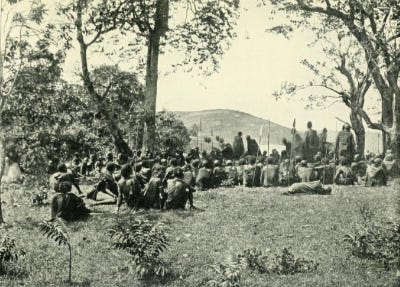
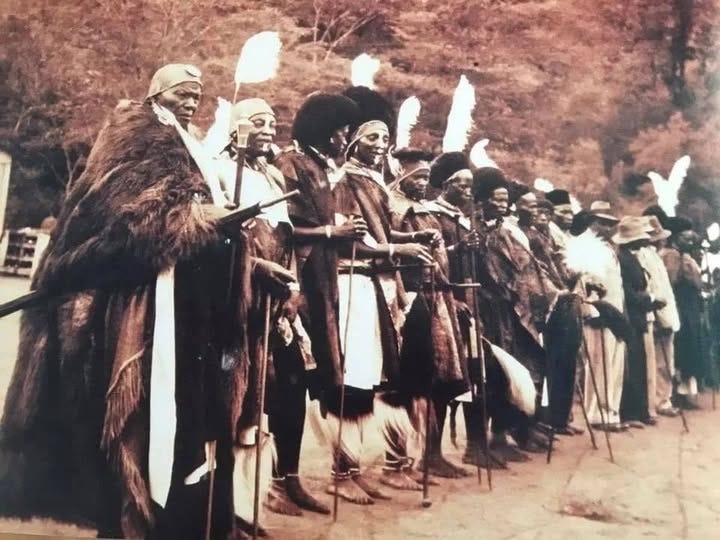
Of course, I’ll start as close to home as possible. In How Kikuyu’s Conceptualised Time we spoke about the institution of the Kiama Council of Elders during the time of the Iregi Ageset. This ruling council replaced the leadership of women in a feminist movement enshrined in Kikuyu oral literature. The Kiama was a ruling council comprised of the male elders in each region. They had achieved elder status through a hierarchical system based on the number of goats gifted to the Kiama at particular stages in life.
How Kikuyus Conceptualized Time.

Keeping chronology and the passage of time in a society where there was no writing can seem like quite a task in today’s world. African tribes however, adapted ways to not only record time but to predict seasons and weather patterns. Advanced calendars, synchronized with celestial events kept people on time. Festivals, cultivation, raids and even leader…
The Kiama was convened by a muthamaki wa kiama. We translate muthamaki to ‘ruler’ or ‘king’ today, but it wasn’t that direct in traditional Kikuyu society. The muthamaki was more of a moderator of the kiama sessions. According to The Southern Kikuyu Before 1902, he was selected by fellow Kiama members and certainly wielded a little more power than the rest, but that is not to mean that he could make express decisions without consulting the rest of the Kiama.
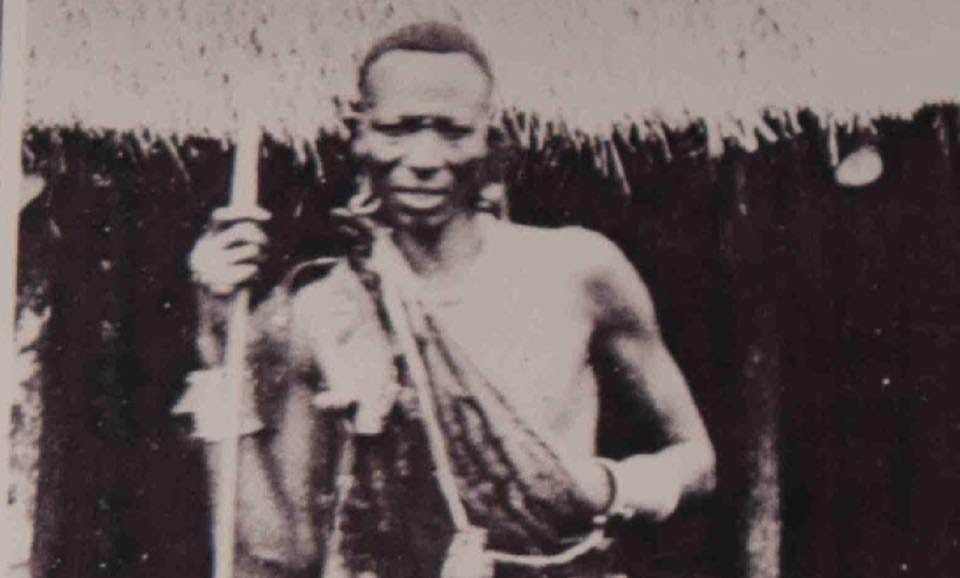
At the advent of colonisation, Count Teleki and Von Hohnel, who had made blood brotherhood with Waiyaki wa Hinga, felt betrayed when the Kikuyu of Kabete did something contrary to what they had agreed. Waiyaki wa Hinga was a muthamaki wa mbara, a war chief who got his authority from his unparalleled control over the warriors. So was Karuri wa Gakure. This made the Europeans assume that Waiyaki’s word was law. They were wrong. Waiyaki still had to consult the council and could not veto their decisions.
Despite having direct access to these Europeans and the progress and gifts they brought with them, Waiyaki still put the needs of his people in front of potential material gain. A factor that eventually cost his life, as discussed in The Betrayal of Waiyaki.
Nandi Orkoiyot.
Another example of democracy in a Kenyan tribe is seen in the Orkoiyot of the Nandi. In Nandi Military Supremacy, we attributed the community's success in the late 19th Century to Orkoiyot Kimnyole Arap Turkat’s leadership. He was more of a spiritual leader who received and interpreted messages from Asis, the Nandi god. Kimnyole ruled over all matters of Nandi life, but especially in their military campaigns. His guidance allowed the community to claim the Uasin Gishu plateau after dealing the Maasai a decisive defeat.
Nandi Military Supremacy

The Nandi tribe are a section of the collective Nilotic agro-pastoralist communities referred to as the Kalenjin. Other subgroups include the Tugen, Keiyo, Marakwet, Kipsigis and Sabaot. As these tribes settled into the Western region of present-day Kenya, they inevitably found themselves in a crucible of war with the neighboring communities. In the 170…
He sounds like the sort of leader who would be supreme and make decisions as he saw fit without oversight or question. If you made this assumption, again, you would be mistaken.
You see, leaders in a traditional African Context, especially where they ruled centrally or in a spiritual capacity, served purely in the interest of the community. Their own interests, welfare, wealth and in some cases, even their lives, came second.
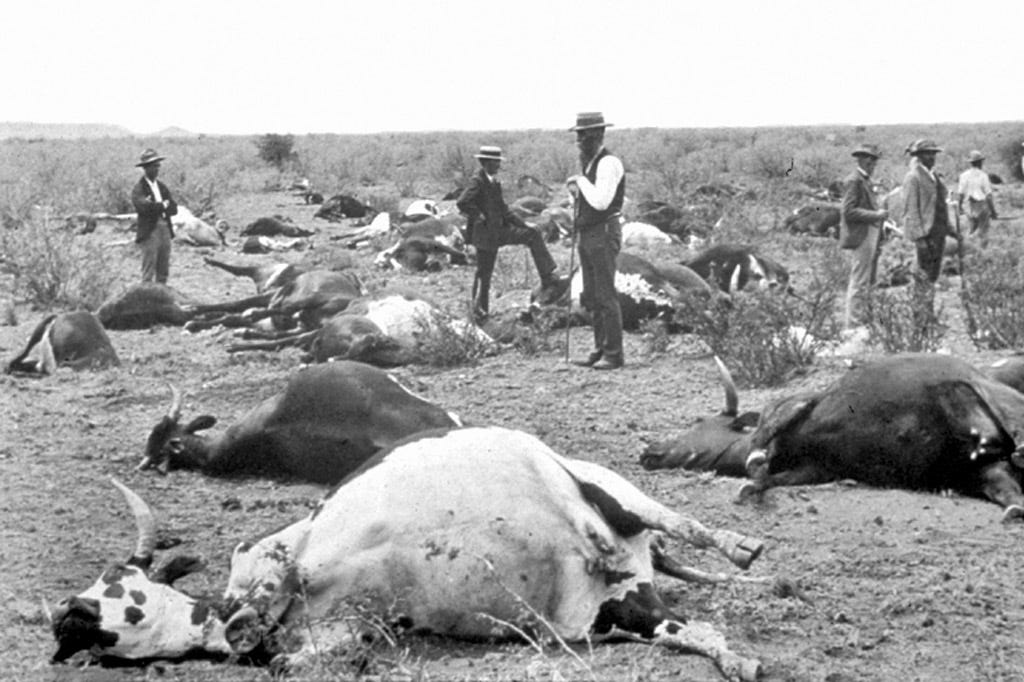
The tide started turning for Orkoiyot Kimnyole from around 1888. First, after consecutive raids against the Maasai, the herds driven back were found to have been infected with rinderpest. Orkoiyot, in his spiritual endowment, had failed to warn the warriors about this. The community interpreted this as deliberate sabotage. This was confirmed when it was found out that his flock was healthy and seemingly untouched by the disease. The last straw came when he blessed back-to-back raiding expeditions, both of which resulted in devastating defeats.
Unlike present-day members of parliament who can’t table a motion of impeachment against a president who has clearly lost his wits, the Nandi elders did something about Kimnyole. To cut the story short (full story in the linked article) a ruling was held where Kimnyole’s guilt was determined. He was sentenced to death and the sentence was carried out. Kimnyole left his son, Orkoiyot Koitalel Arap Samoei his role, and it was he who faced off against the British at the advent of colonisation.
Imagine inheriting a political seat from your father right after he had been sentenced to death by the same community he had led for decades. That is the sort of pressure our leaders should be under when being sworn into elected mandates.
Introduction of Western Democracy
The brand of democracy we ‘enjoy’ in Africa is not the same one Athenian philosophers debated on the steps of the Acropolis. It is a bastardisation deliberately conjured and implemented to keep the African in a self-destructive cycle.
In Kenya, it began with the replacement of traditional ruling bodies with chiefs and headmen who worked on behalf of the colonial government. Unlike the traditional rulers who prioritised the welfare of their communities, the appointed chiefs had two main objectives:
They carried out the will and laws instituted by their white overlords
They looked out solely for their welfare and the advancement of their families.
In Witchcraft and Colonial Rule in Kenya, Katherine Luongo explains how the Kamba carried out witchcraft, cursing the families of the headmen who were hated for their tax collection. Professor Mukaru Ng’ang’a, in The Political History of Murang’a, explains that the colonial government protected these leaders and even shielded them from any backlash arising from their corruption. An example is when a native court ruled in favour of Chief Michuki wa Kagwe, who was attempting to grab land occupied by 25 families who complained against his misrule. The case went up the administrative ladder all the way to the High Court, which decided Michuki was right and ordered the evacuation of the occupants. A directive that was carried out by the white District Commissioner himself.
Senior Chief Koinange vs. Senior Chief Waruhiu

Sir Frederick Lugard is the British administrator who was tasked with figuring out systems of governance that would work in the African colonies. In Northern Nigeria, the existence of a solid, tribal ruling hierarchy made it easy to control the people and extort taxes through incumbent leaders. Lugard cultivated a friendship with Waiyaki Wa Hinga and even as the colonisation process was going on, he foresaw the application of such a system among the Kikuyu. Waiyaki was the undisputed
Despite being appointed by the British to do their bidding, the chiefs and paramount chiefs were under the illusion that they were populist leaders ‘serving’ the people. Senior Chief Waruhiu, the darling of the British government, was eulogised affectionately with his favourite proverb ‘kamuingi koyaga ndiri’. We have dealt with this proverb in the subscriber chat in recent weeks. It is meant to enhance cooperation and mutual effort, but he was using it to inspire diligence for labour in the White Highlands.

The British knew what they were doing. By providing education to the children of loyalists, they made sure the next generation idolised Western culture and religion while instilling prejudice against their fellow Africans along those same lines.
Mark you, these are the same Africans who took over the Kenyan government at independence- the likes of Charles Njonjo, son of Chief Josiah Njonjo and later, John Michuki, son of the cruel chief we have just discussed above. Of course, they ruled with all their inherited prejudices and biases. Worse still, with no higher authority to check their corruption, these leaders set a precedent of opulence at the expense of the mwananchi.
They were, of course, led by Mzee Jomo Kenyatta, who bought a brand-new Rolls-Royce Phantom V, a Lincoln Continental, and a Mercedes 300 SE all within his first few months as Prime Minister.
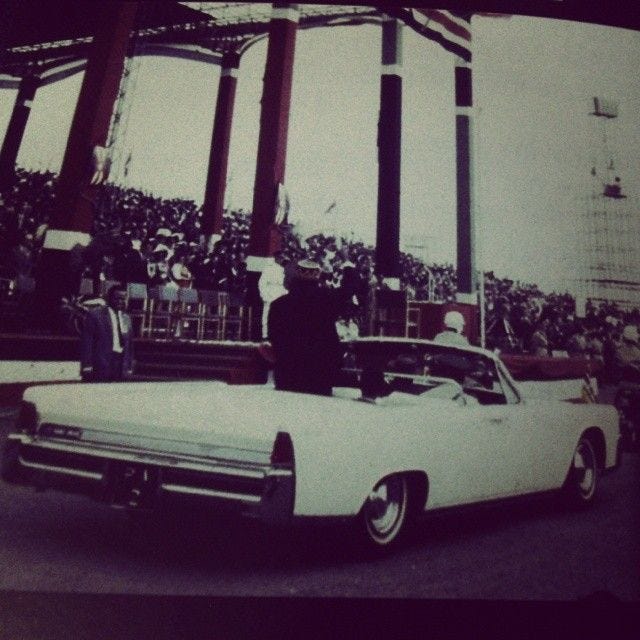
Consecutive governments stepped into that blueprint, which is quite representative of what is going on even in the wider continent.
Conclusion
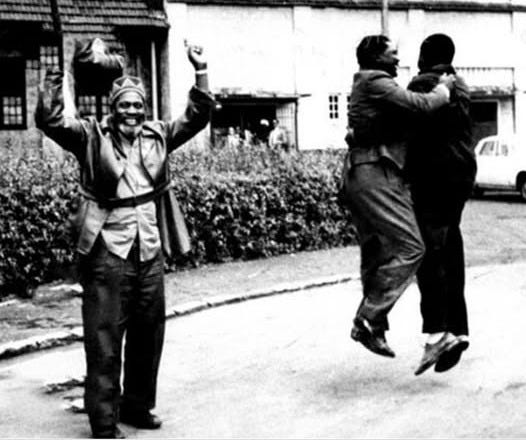
Democracy, as defined by the Independence constitution got corrupted by tribal politics, which have divided Kenyans along tribal lines. You know who isn’t divided? The politicians. I urge you to read a blog post on my WordPress called Coalition Culture. In it, you’ll notice that, no matter how opposed specific leaders may be during one election cycle, there is no division grand enough to stop them from reuniting and aligning their political parties and support bases in the next election cycle.
Just like the chiefs and headmen, our own leaders have prioritised wealth accumulation while completely disregarding their electorate. During the Moi regime, up until the recent elections, leaders have sown tribal division to consolidate the support of their communities behind them.
The idea is that upon election, the leader will take care of the needs of the community- is the so-called Mtu Wetu mentality. I couldn’t help but watch as my parents voted for William Samoei Ruto in the last election. Apparently, as the Kikuyu community, we owed him our support, having promised it to him during the first term of the UhuRuto coalition. As if the presidency is some sort of inheritance that he is entitled to.
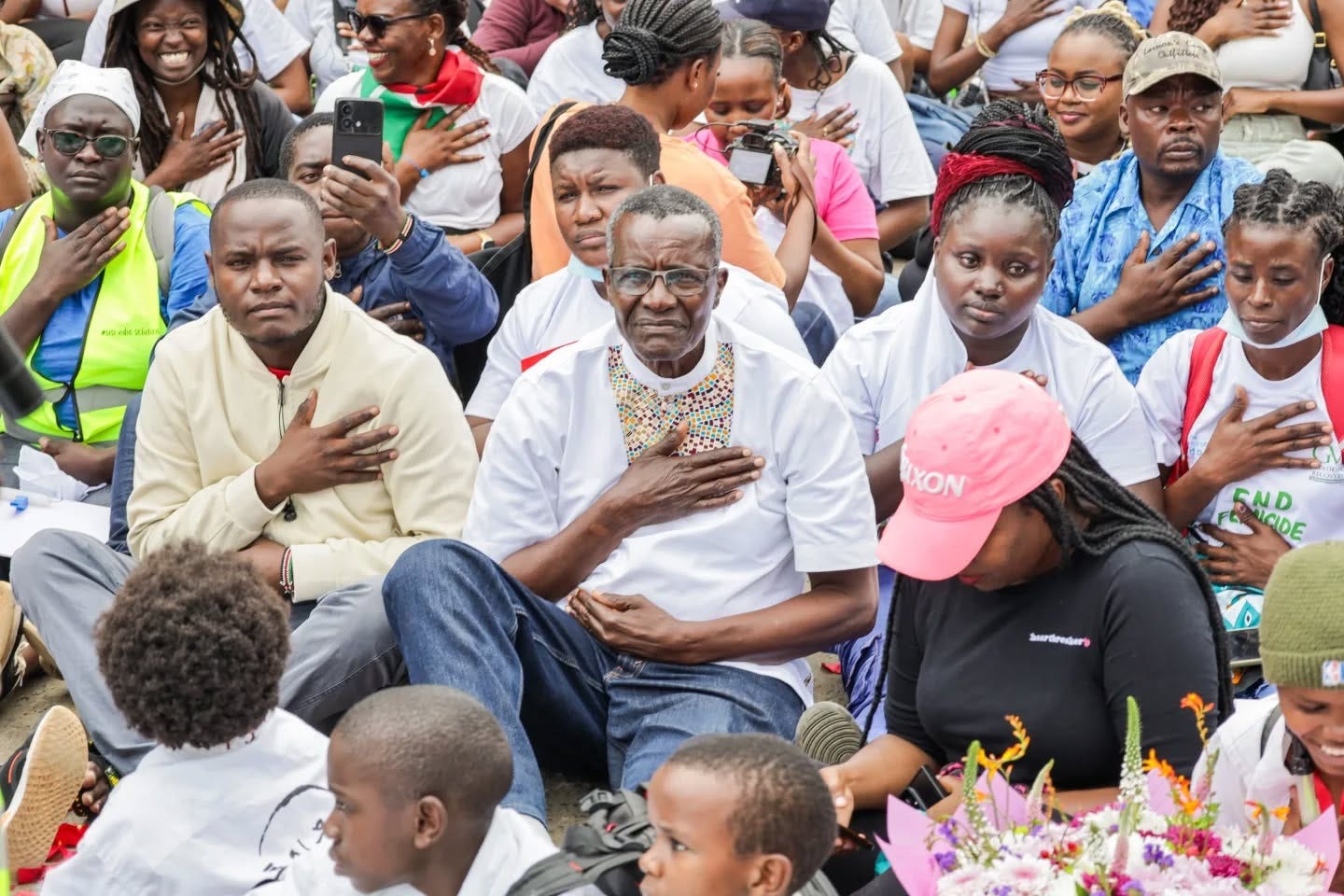
My dear reader, democracy can work. As I write this, presidential aspirant David Maraga is under arrest. I will go ahead and say that he is my preferred candidate so far. I have had trouble explaining to my parents and members of the older generations that he is our best bet for the presidency. To a lot of Kenyans, the fact that Maraga does not have a large tribal support base automatically extinguishes any chances of victory at the ballot. This is where the problem lies.
Democracy is not about Mount Kenya or Lakeside or Coastal voting blocs. It is not about populist politics. It is not about whose turn it is to eat. Democracy is more than just who has the unlimited funds to run a lavish campaign full of chopper landings, grand speeches and expressive decor. It is all about getting your voice heard. It is more than electing your tribesman who will forget all about you the moment they attain power. It’s about investing your trust, money and vote into a candidate whom you trust. A candidate through whom your voice will be heard. A candidate through whom your will will be exerted.
We have work to do.
Hinges of Time is a Kenyan history collective that is dedicated to teaching History the right way while commenting on current affairs. If you learned something or want to support our mission, consider getting a paid subscription. This money not only funds research and motivates writing, but it also earns you some subscriber privileges. Alternatively, you can donate directly from M-Pesa through this link.
Agree! Those who we choose to lead, shouldn't be doing so to gain their own power. It should be a job and a duty, with the utmost responsibility to listen to, attend to and serve the needs of the people.
MORDEN DEMOCRACY IS FAIRYTALE..FREEDOM AND EQUALITY IS A LIE. IN THE LAWS OF NATURE AND NATURE'S GOD; AUTHORITY IS FOR THE STRONG. MIGHT IS ALWAYS RIGHT..